How to Improve Skin Texture Without Lasers in Fort Worth: The Best Non-Laser Treatments for Smoother, Healthier-Looking Skin
A modern Fort Worth guide to understanding textured skin, choosing the right non-laser treatment, and building a more personalized plan for smoother, healthier-looking skin — from founder Amy Robbins.
 Amy Robbins, MSNA APRN CRNA FNP-BC 15 min read Updated April 2026Skin Rejuvenation
Smooth, even-looking skin is one of the most common goals patients bring to Youthful Magnolia — and one of the most misunderstood. When people say they want smoother skin, they almost never mean exactly the same thing. Some are describing rough, dull texture that looks uneven in photographs. Some are describing visible pores and congestion. Some are dealing with the bumpy, uneven surface left after a history of breakouts. And some are noticing a broader decline in skin quality — a hollowness or roughness that no product seems to be addressing.
These are not all the same problem. And they are not all solved by the same treatment. That is the gap between generic facial menus and a genuinely personalized skin plan — and it is why understanding what is driving the texture matters more than simply reaching for the most popular skin treatment.
For many patients, achieving meaningfully smoother skin does not require laser treatments. A thoughtfully chosen non-laser approach — whether that is Microneedling, BioRePeel, Dermaplane, or a well-calibrated Customized Facial — can produce real, lasting improvement when matched correctly to the cause.
This guide walks through what skin texture actually means, what causes it, and which non-laser skin treatments at Youthful Magnolia may make the most sense for your specific concern.
Section 01
What uneven skin texture
actually means.
"Skin texture" is a broad description — one that patients and providers use to mean many different things. At its most basic, uneven skin texture refers to any visible or tactile irregularity in the skin's surface: roughness, bumpiness, enlarged pores, congestion, post-acne irregularities, or a general lack of smoothness and refinement.
Unlike skin tone, which is about color and pigmentation, skin texture is primarily about surface quality — how the skin feels, how it looks under directional light, and how evenly it reflects light back. Smooth, well-maintained skin has a refined, even surface that reflects light consistently. Textured skin has irregularities that create shadows, catch light unevenly, and appear rough or uneven even from a distance.
Importantly, not all texture issues are driven by the same underlying cause. This is why the treatment approach matters — a congested, bumpy surface needs something different from the roughness left by post-acne changes, which needs something different from the texture that comes from collagen loss. Matching the treatment to the cause is what determines whether results are meaningful and lasting.
Section 02
Why skin texture becomes
rough or uneven.
Most texture concerns are the result of several overlapping factors rather than a single cause. Understanding the primary contributors helps determine which treatment approach is most likely to produce meaningful improvement.
Dead skin cell accumulation
The skin's natural renewal cycle slows with age, stress, and environmental exposure. When dead cells build up on the surface faster than they are shed, they create a rough, dull, uneven surface that scatters light poorly.
Congestion and enlarged pores
Excess sebum, debris, and environmental pollutants clog pores and create visible surface irregularities. Congested skin often looks bumpy and uneven, with pores appearing larger due to the stretching caused by accumulated content.
Dehydration
Dehydrated skin — regardless of skin type — looks less plump and more textured. Without adequate water content in the dermis, the skin's surface appears more pronounced and rough, even when sebum production is normal.
Post-acne changes
Breakouts leave behind structural changes in the skin — including shallow pitting, surface irregularities, and post-inflammatory pigmentation — that affect how the skin's surface looks and feels long after the breakout itself has resolved.
Barrier stress and inflammation
Chronic low-grade inflammation from UV exposure, environmental damage, or harsh skincare weakens the skin barrier and accelerates surface irregularity. Inflamed or reactive skin often looks uneven, ruddy, and rough.
Slowed cell turnover
As we age, the skin's renewal cycle lengthens from approximately 28 days to 40–60 days or more. This means older, rougher cells linger on the surface longer, contributing progressively to uneven texture over time.
Collagen-related skin quality changes
Collagen loss affects skin quality at a structural level — producing a hollower, more textured surface as the underlying scaffold that supports smooth, plump skin gradually thins. This type of texture typically responds best to treatments that stimulate collagen production.
UV damage and environmental oxidative stress
Years of UV exposure and environmental oxidative stress damage the skin's structural proteins and accelerate the cellular changes that lead to roughness, uneven tone, and textural degradation.
Understanding what is causing the texture is the first step toward choosing a treatment that can actually address it.
Section 03
What kind of texture
are you actually dealing with?
Before choosing a treatment, it is worth identifying which type of texture is most relevant to your skin. Most patients have more than one contributing factor — but identifying the primary driver significantly narrows the treatment options.
Rough and dull
Skin feels sandpaper-like or unrefined under the fingertips and looks flat in photos. This profile is most often driven by surface dead-cell buildup and slowed turnover. Dermaplane and BioRePeel are typically the strongest starting points — both address surface renewal directly.
Congested and bumpy
Skin appears uneven or bumpy, pores look enlarged, and the complexion looks weighted or grey. Congestion-clearing treatments — including Customized Facial with clinical extractions, Salt Facial, or BioRePeel — are well-matched for this profile.
Texture after breakouts
Shallow post-acne surface irregularities and residual marks from past breakouts create lasting textural unevenness. BioRePeel in a series and Microneedling are typically the strongest options here — both support cellular renewal and structural improvement that addresses post-acne changes over time.
Texture with visible enlarged pores
Pores appear stretched or prominent, often worsening around the nose and chin. Consistent exfoliation with Dermaplane or BioRePeel can visibly refine pore appearance. Microneedling offers deeper improvement by stimulating the collagen that supports pore architecture.
Texture with dehydration
Skin looks rough but also feels tight, dry, or thin — texture pronounced in a way that feels fragile rather than congested. Mesoneedling with Skin Boosters addresses this directly, combining needling stimulation with the delivery of hydrating actives into the dermis.
Texture needing collagen support
Skin looks hollower or less plump than it once did. Lines appear more textured, the surface lacks structural support. Microneedling or Mesoneedling with Skin Boosters are the most appropriate non-laser starting points — both stimulate the collagen and tissue-renewal processes that address this structural component.
Section 04
Best non-laser skin treatments
for texture improvement.
Each of the following treatments addresses skin texture through a different mechanism. None is universally "best" — the right option depends on what is driving the texture and what the patient's recovery preferences and goals are. All are available at Youthful Magnolia's Facials & Skin practice in Fort Worth.
Customized Facial
Personalized Skin Reset
A clinical facial tailored entirely to your skin's current condition — not a fixed menu. Incorporates medical-grade cleansing, targeted exfoliation, extractions where appropriate, and active ingredients chosen specifically for your concerns. The most adaptable starting point for patients with texture driven by congestion, mild buildup, or multiple overlapping factors that benefit from a thoughtful, personalized approach.
Best for
Patients with surface congestion, mild texture, seasonal skin changes, or those beginning professional skin maintenance who need a flexible, comprehensive starting point.
Dermaplane
Physical Exfoliation
Manual exfoliation using a sterile surgical blade to remove the outermost layer of dead skin cells and vellus hair. One of the most direct and immediately effective interventions for surface-driven texture. Results are visible from the first session — skin feels noticeably smoother, looks more even, and absorbs skincare products more effectively. Best used as part of a consistent maintenance routine.
Best for
Patients whose texture is primarily caused by surface dead-cell buildup, roughness, and the visual disruption of vellus hair. Also a strong pre-event treatment for immediate refinement.
Microneedling
Collagen Induction Therapy
Creates thousands of microscopic treatment channels in the skin that trigger the body's natural collagen and elastin synthesis. Over a series of sessions, this produces measurably smoother, firmer, and more even skin at a structural level. Goes deeper than surface treatments — addressing collagen-related texture and post-acne surface irregularities in ways that topical care and maintenance facials cannot replicate.
Best for
Patients with persistent textural irregularities, post-acne surface changes, or skin-quality decline who are ready to invest in a corrective treatment series for longer-term improvement.
Mesoneedling with Skin Boosters
Hydration + Needling
Combines the tissue-stimulating effect of superficial needling with the direct infusion of hydrating and regenerative actives — hyaluronic acid, vitamins, and peptides — into the skin. Addresses texture linked to dehydration and reduced skin vitality at a level that topical products cannot reach. Many patients notice improved luminosity, smoother surface texture, and a more hydrated, fuller appearance following treatment.
Best for
Patients whose texture is tied to dehydration, lack of skin plumpness, or reduced skin vitality. Also well-suited for those who want hydration support alongside structural texture improvement.
BioRePeel
Bi-Phasic Chemical Peel
A next-generation bi-phasic chemical peel that stimulates cellular turnover and skin renewal with very manageable downtime compared to traditional resurfacing peels. Addresses surface congestion, post-acne marks, textural roughness, and uneven tone in a way that compounds progressively over a series. An excellent option for patients who want more than maintenance without the recovery of ablative treatments.
Best for
Patients with surface roughness, post-acne tone irregularities, congestion, or general unevenness who want a more corrective option with manageable downtime.
Salt Facial
Exfoliation + Ultrasound + Light
Combines physical salt exfoliation, ultrasound skin rejuvenation, and targeted light therapy in a single treatment session. Visibly improves skin clarity, surface smoothness, and luminosity with minimal downtime. A strong option for patients who want a noticeable improvement in texture and radiance with a straightforward recovery — and a sustainable monthly maintenance treatment that progressively improves skin quality over time.
Best for
Patients with surface congestion, visible buildup, and texture who want polished, visible improvement with manageable recovery. Also a strong ongoing maintenance option.
Red Light Therapy
Restorative Light Support
Uses specific red and near-infrared light wavelengths to support cellular energy, reduce inflammation, and promote skin recovery. Not a primary corrective treatment for texture, but a valuable supportive addition — particularly for patients with reactive or sensitive skin, or as a complement to other treatments to accelerate recovery, reduce post-treatment redness, and support overall skin health.
Best for
Patients with reactive or inflamed skin alongside texture concerns, or as a complementary addition within a broader texture treatment plan.
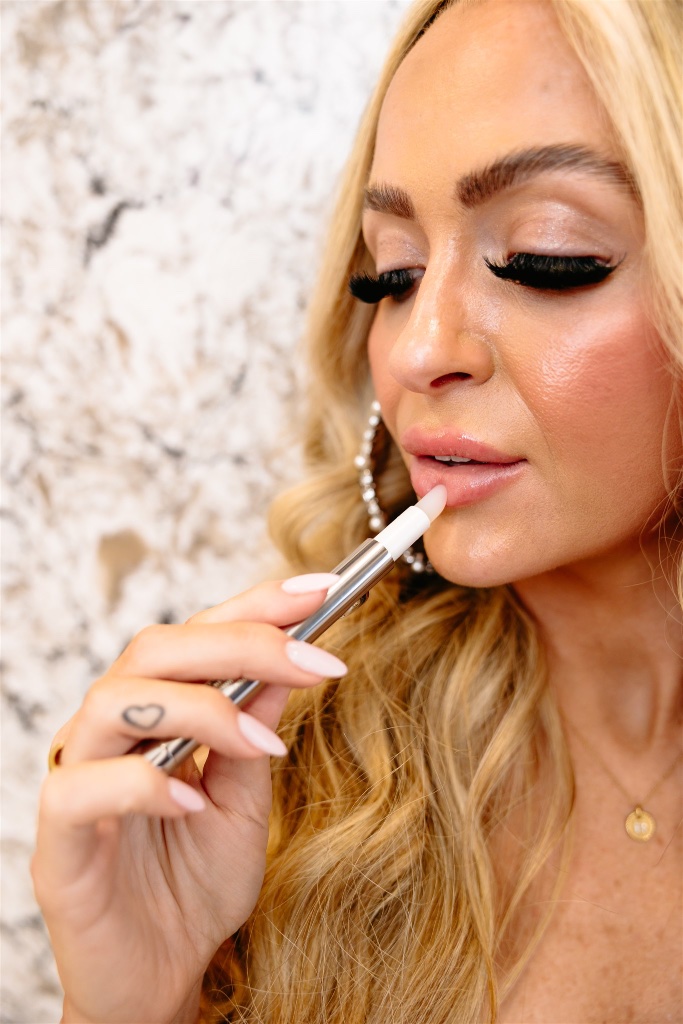
Non-laser skin treatments at Youthful Magnolia are selected and calibrated based on each patient's specific texture profile and goals.
Section 05
An expert perspective
from Amy Robbins.
Amy Robbins, MSNA, APRN, CRNA, FNP-BC, founded Youthful Magnolia on the principle that skin care should be driven by understanding, not by menus. Her approach to skin texture reflects this directly.
"Texture is not always one thing," Amy explains. "Some texture comes from the surface — buildup, congestion, rough cells that just need to be cleared. Some comes from deeper structural changes — collagen loss, post-acne remodeling, dehydration that topical products simply cannot reach. And some comes from a combination of both. The question is always: what is actually causing this specific patient's texture, and what treatment can address it most efficiently?"
Her perspective on non-laser treatment is grounded in clinical pragmatism. "Not every patient needs lasers, and not every patient should start with the most aggressive intervention available," she says. "Many patients get extraordinary results from well-planned non-laser treatment — especially when the treatment is actually matched to their skin's condition. The goal is always healthier skin, not just a technically impressive appointment."
Amy Robbins · Founder, Youthful Magnolia
"When someone says they want smoother skin, the most important question is why the texture is there in the first place. Better results usually come from matching the treatment to the actual cause — not just choosing the most popular option."
For patients whose texture has a systemic component — fatigue, inflammation, or cellular health factors that surface-only treatments cannot fully address — Amy's background in regenerative medicine allows for a more integrated approach when appropriate. This might include discussing peptide therapy or other regenerative support as part of a broader skin health strategy.
Section 06
Matching treatment
to your concern.
The following framework is a guide — not a rigid protocol. Every recommendation at Youthful Magnolia follows a direct skin evaluation. That said, this overview provides a useful starting orientation.
Skin concern
Rough, dull surface texture
May consider
Note
Exfoliation-first approach. For persistent roughness, BioRePeel in a series offers progressive improvement beyond single-session results.
Skin concern
Congestion and bumpy skin
May consider
Note
Decongestion and chemical exfoliation are typically more effective for congestion than mechanical-only approaches.
Skin concern
Texture after breakouts or acne history
May consider
Note
Consistent treatment over 6–12 weeks addresses post-acne surface changes most effectively. Microneedling for deeper irregularities.
Skin concern
Visible enlarged pores
May consider
Note
Surface exfoliation for immediate refinement. Microneedling for deeper pore architecture improvement via collagen support.
Skin concern
Texture with dehydration
May consider
Note
Restoring dermal hydration directly improves surface texture. Topical-only hydration cannot reach the same depth.
Skin concern
Texture with skin-quality decline
May consider
Note
A longer treatment arc — 3–6 sessions — with progressive improvement over 3–6 months. Realistic expectations matter here.
Skin concern
Reactive or sensitive skin with texture
May consider
Note
Start with gentler options before progressing to more corrective treatments. Reducing inflammation often improves texture alongside targeted care.
Skin concern
Pre-event texture improvement
May consider
Note
Avoid corrective treatments in the week before an event. Surface treatments deliver immediate refinement without recovery.
Section 07
When non-laser treatments may be
a good starting point.
The aesthetic industry has a tendency to position laser treatments as the default endpoint for skin texture concerns. In practice, many patients do not need to start — or may never need to start — with laser treatments to achieve meaningful skin improvement.
Non-laser treatments are often the right starting point when texture is driven by surface buildup, congestion, or mild skin-quality changes that respond well to exfoliation, needling, or hydration-focused approaches. For patients with early or moderate texture concerns, a well-planned non-laser series can produce results that are genuinely satisfying and sustainable without the recovery and complexity of laser procedures.
Non-laser treatments are also a pragmatic choice for patients with time constraints, lower downtime tolerance, or skin types that require more cautious treatment planning. Treatments like Dermaplane, BioRePeel, and Salt Facial deliver visible improvement with minimal recovery — making consistent maintenance realistic for a wider range of patients and lifestyles.
For some patients — particularly those with more significant textural irregularities, sun damage, or deeper structural changes — laser options like MOXI or Halo may ultimately be part of a longer-term plan. But the decision to progress to laser treatment should be made thoughtfully, after non-laser options have been properly explored and evaluated.
Section 08
How to maintain smoother skin
over time.
Smoother skin is rarely the result of a single impressive treatment. It is the result of consistent, strategic care — professional treatments calibrated to your skin's needs, supported by a quality at-home routine, and sustained over time.
For most patients, the most effective approach combines regular maintenance treatments (monthly Dermaplane, Customized Facial, or Salt Facial) with periodic corrective sessions (BioRePeel or Microneedling series) aligned to their texture goals and skin's progress. As skin quality improves, the corrective component may shift to less frequent maintenance, while surface care remains consistent.
Home care plays a meaningful supporting role: gentle barrier-supportive cleansing, appropriate chemical exfoliation (when guided by your provider), quality hydration, and consistent broad-spectrum SPF use all compound the results of professional treatment. UV protection in particular is non-negotiable — daily Texas sun exposure is one of the most consistent contributors to ongoing textural degradation.
Some patients, particularly those with broader skin-health goals, may also benefit from discussing how systemic wellness support — including peptide therapy or other regenerative approaches — might complement their skin treatment plan. At Youthful Magnolia, these conversations are always led by Amy and grounded in clinical relevance rather than trend.
Section 09
Why Fort Worth patients choose
Youthful Magnolia.
Youthful Magnolia is a founder-led boutique aesthetic practice in Fort Worth, Texas — built on the belief that better skin comes from better strategy, not more treatments.
Amy Robbins leads every consultation personally. Her background in advanced aesthetics, nurse anesthesia, and regenerative medicine gives her a uniquely broad lens for assessing skin — not just at the surface, but in the context of the patient's whole biology. Patients come to Youthful Magnolia because they want a plan that makes sense, not a menu that looks impressive.
Founder-led care — every consultation with Amy Robbins directly
Personalized skin evaluation before every treatment recommendation
Clinical-grade treatments without unnecessary upselling
Long-view philosophy focused on lasting skin health, not trends
Regenerative and functional medicine integration where appropriate
Honest, nuanced patient education at every stage of care
Every skin plan at Youthful Magnolia is built around honest evaluation and realistic outcomes — not a treatment menu.
Common Questions
Skin texture without lasers —
answered honestly.
What causes uneven skin texture?
What is the best non-laser treatment for skin texture in Fort Worth?
Can microneedling improve skin texture?
Is BioRePeel good for rough skin?
What treatment helps skin texture without lasers?
Can facials help with bumpy or congested skin?
What's the difference between a facial and a corrective skin treatment?
Is dermaplane good for rough texture?
How often should I treat skin texture professionally?
Where can I improve skin texture without lasers in Fort Worth?
Related Services
Your Provider
Amy
Robbins
MSNA · APRN · CRNA · FNP-BC
Book a Consultation"Texture is one of the most rewarding concerns to treat because when you get the right plan in place, the results compound over time. Skin that consistently looks smoother, more even, and more refined — that comes from strategy, not a single session."
— Amy Robbins, Founder · Youthful Magnolia
Youthful Magnolia · Fort Worth, TX
Ready to build a more
thoughtful skin plan?
If you're dealing with roughness, congestion, visible texture, or skin that doesn't feel as smooth as it used to, our team can help you choose the right non-laser treatment path for healthier-looking skin.