Virtual Care
A Personalized Approach to Hair Loss & Restoration
Hair thinning can have many possible contributors. Start with an individualized evaluation designed to understand your concerns before determining appropriate next steps.
Treatment recommendations depend on individual evaluation and clinical appropriateness.

Our Philosophy
Hair Changes Are Personal
Noticing increased shedding, a widening part, reduced density, a receding hairline, or changes in hair quality can be frustrating. Hair changes are common, and you are not alone in wanting to understand what is happening.
Hair changes can potentially relate to many factors, including genetics, age, hormonal changes, nutrition, stress, medications, illness, life events, menopause, postpartum changes, scalp conditions, and other health factors. Youthful Magnolia does not assume that every patient has the same type of hair loss or needs the same treatment.
The first step isn’t choosing a treatment. It’s understanding the pattern and potential contributors.
Educational Navigation
What Have You Noticed?
Understanding Hair Loss
Why Does Hair Loss Happen?
“Hair loss” is not a single condition. Potential contributors can vary widely from person to person.
Genetics
Inherited patterns can influence hair changes in both women and men.
Hormonal Changes
Hormonal transitions may contribute to changes in hair for some patients.
Stress & Life Events
Physical or emotional stressors can sometimes affect the normal hair-growth cycle.
Nutrition & Overall Health
Nutritional status and broader health factors may play a role.
Medications & Medical Conditions
Certain medications or health conditions can contribute to hair changes.
Aging
Hair density, texture, and growth patterns can change over time.
Determining the likely contributor is important because different types of hair loss may require different approaches.
Women’s Hair Loss
Hair Loss in Women
Common concerns for women include widening part, diffuse thinning, increased shedding, reduced density, changes around menopause, postpartum shedding, and hair texture changes.
Hair changes in women may have several potential contributors and should not automatically be attributed to hormones. Your provider will evaluate the pattern, timeline, and relevant health factors before discussing what options may be appropriate.
If your hair changes may be related to broader women’s health concerns, your provider may suggest exploring Women’s Wellness or Hormone Optimization as part of your plan.
Perimenopause & Menopause
Hair Changes During Perimenopause & Menopause
Some women notice changes in hair density, texture, or shedding during midlife. These changes can be concerning, and understanding what may be contributing is a reasonable first step.
Hormonal changes may be one consideration, but other factors may also contribute. Hair changes during perimenopause and menopause should not automatically be attributed to hormones alone, and hormone therapy is not a hair-loss treatment for every patient.
If you are experiencing midlife hair changes, your provider can discuss whether Women’s Wellness or Hormone Optimization may be relevant to your evaluation.
Men’s Hair Loss
Hair Loss in Men
Common concerns for men include receding hairline, temple recession, crown thinning, reduced density, and gradual pattern changes.
Inherited patterns are common in men, but appropriate evaluation still matters. Your provider can discuss the pattern of your hair changes and what options may be worth considering.
If your hair changes may be related to broader men’s health concerns, your provider may suggest exploring Men’s Wellness as part of your plan.
Evaluation
Your Hair Restoration Plan Starts With Evaluation
An appropriate evaluation may consider the pattern of hair changes, timeline, health history, family history, medications, recent health or lifestyle changes, hormonal considerations, nutrition, scalp health, and previous treatments.
Additional testing or referral may be appropriate depending on the patient. Your provider will determine what evaluation makes sense for your individual situation.
Hormone Connection
Can Hormones Affect Hair?
Hormonal changes can influence hair in some circumstances. However, hair loss should not automatically be treated as a hormone problem.
Potential considerations may vary between women and men, and between perimenopause, menopause, and other clinical situations. Your provider can discuss whether hormone evaluation makes sense as part of your hair-loss evaluation.
Nutrition
Nutrition & Hair Health
Nutritional factors may sometimes contribute to hair changes. However, nutritional deficiencies are not the cause of every type of hair loss.
Your provider can discuss whether nutritional evaluation makes sense based on your individual situation. We do not recommend large supplement stacks, and biotin should not be assumed to treat all hair loss. Supplements should not replace appropriate evaluation.
Peptides
What About Peptides?
Patients increasingly encounter online claims about peptides and hair restoration. It is important to approach these claims with caution.
Evidence varies by therapy, regulatory status varies, and online claims may exceed available evidence. Treatment should be discussed with an appropriately qualified provider. We do not claim that peptides regrow hair unless a specific treatment and claim have been verified.
If peptide therapy is a consideration, your provider can discuss it during your consultation. You can also learn more through our Peptide Therapy page.
The Process
Your Hair Restoration Journey
Tell Us What’s Changing
Share your primary hair concerns.
Meet With Your Provider
Discuss the pattern, timeline, history, goals, and relevant health factors.
Individual Evaluation
Additional testing, photographs, in-person examination, or referral may be recommended when appropriate.
Personalized Recommendations
Review reasonable options based on the suspected cause and your goals.
Follow Progress
Hair changes often require time to evaluate, making appropriate follow-up important.
Telehealth vs. In-Person
What Can Be Done Virtually?
Virtual Care May Be Useful For:
- Initial discussion
- Reviewing history
- Discussing concerns
- Reviewing existing information
- Follow-up when appropriate
Some Concerns May Require:
- Physical scalp examination
- Dermoscopy
- Laboratory testing
- Biopsy
- In-person treatment
- Dermatology evaluation
- Other specialty evaluation
Virtual care is not a substitute for in-person evaluation when physical scalp examination, dermoscopy, laboratory testing, biopsy, or dermatology evaluation is needed.
State Availability
Is Virtual Care Available in My State?
Check whether virtual care is currently available for eligible patients in your state.
Expectations
Hair Restoration Takes Time
Hair grows in cycles, and meaningful assessment of many hair-restoration strategies may take time. We do not provide universal timelines, as results and timelines vary depending on the cause of hair loss, treatment selected, adherence, and individual response.
We do not promise new growth, full restoration, increased density, or prevention of future hair loss. An evaluation can help set realistic expectations for your individual situation.
Results and timelines vary depending on the cause of hair loss, treatment selected, adherence, and individual response.
When to Seek Additional Evaluation
Some presentations may require evaluation by a dermatologist, primary-care clinician, or another specialist. If you are experiencing rapid hair loss, scalp irritation, scaling, redness, pain, scarring, or other concerning symptoms, evaluation by a specialist may be appropriate. Youthful Magnolia encourages appropriate medical evaluation when symptoms fall outside our scope, and we do not attempt to diagnose unusual scalp conditions through the website.
Candidacy
Who May Benefit From a Hair Consultation?
You’ve noticed increased shedding or thinning.
Your part appears wider than it used to.
You’ve noticed changes in your hairline.
Your hair changed during perimenopause or menopause.
You’ve noticed postpartum shedding.
You’re concerned about hair changes and want to understand why.
You’re interested in preserving hair health proactively.
You’re unsure what type of hair loss you may be experiencing.
A consultation is exploratory and does not guarantee that treatment will be recommended.
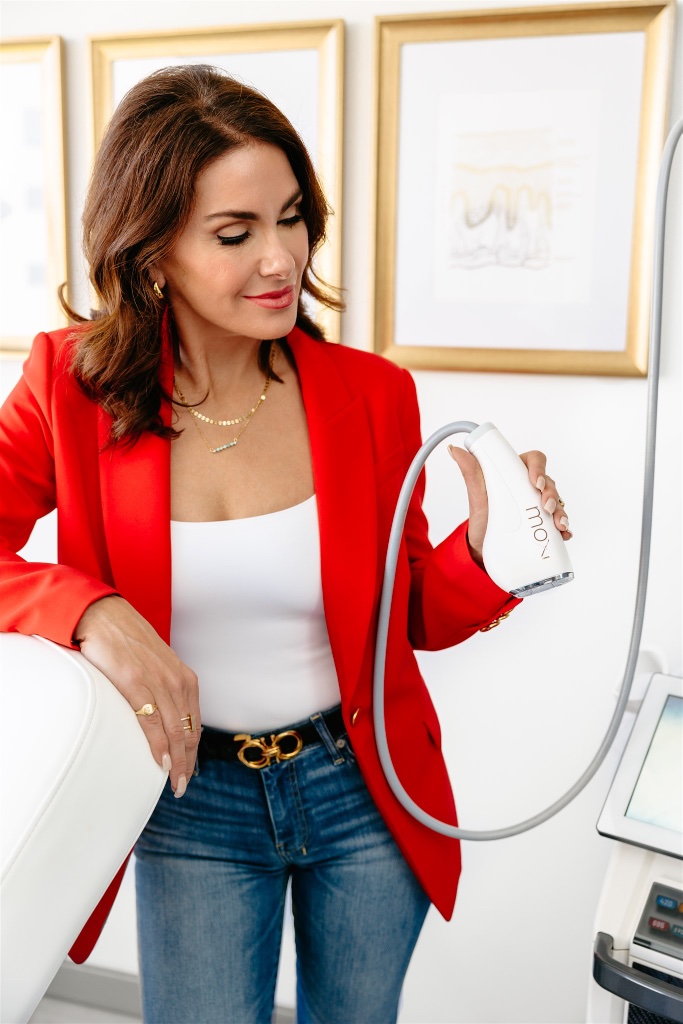
Your Provider
Personalized Hair Care Starts With Understanding Why
Amy Robbins is board-certified as a Family Nurse Practitioner and Certified Registered Nurse Anesthetist. Her approach blends evidence-based medicine with a genuinely personal, patient-first philosophy.
Every consultation is thorough, unhurried, and grounded in your individual health history, symptoms, and goals. Amy takes the time to understand the pattern and potential contributors to your hair changes before recommending anything — because hair restoration is not about generic protocols or assumptions.
Frequently Asked
Hair Loss & Restoration — Answered
References & Further Reading
References for this page are curated by our clinical team from authoritative sources including the NIH, FDA, American Academy of Dermatology, and peer-reviewed medical journals. Verified citations will be added here as they are reviewed.
Get Started
Let’s Talk About What’s Changing
Tell us about your primary hair concern and our team will contact you regarding consultation options and next steps.
Related Services
Hair Health Can Be Connected to the Bigger Picture
These are separate services that may or may not be appropriate depending on your individual goals and evaluation.