
Peptide Therapy in Fort Worth: Regenerative Aesthetics from Within
By Amy Robbins, MSNA, APRN, CRNA, FNP-BC | Founder, Youthful Magnolia

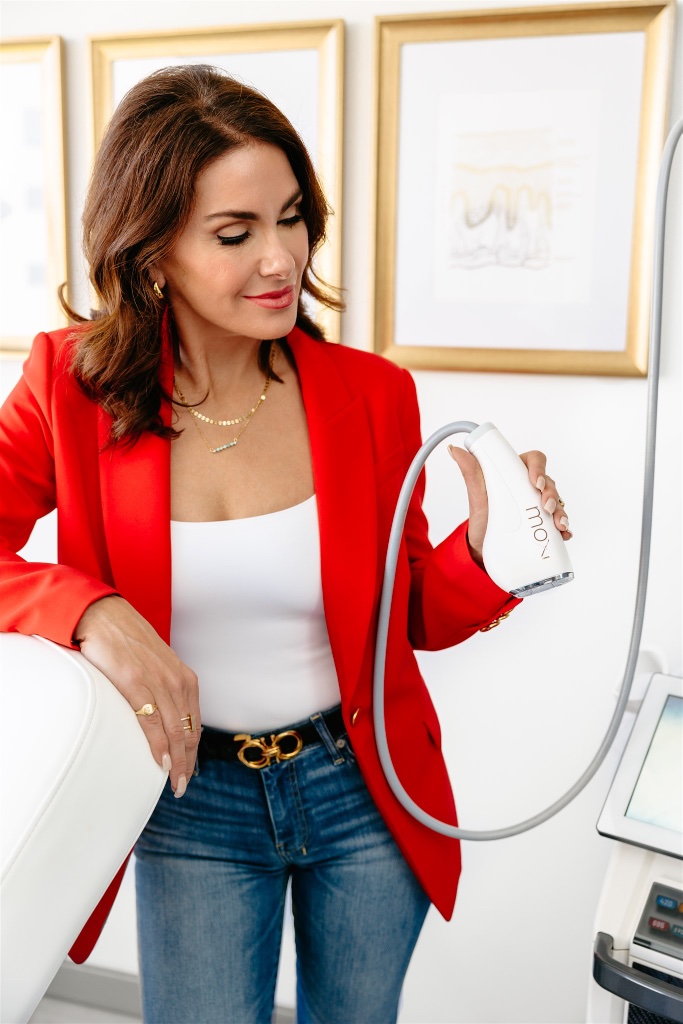
Expert Perspective
Amy Robbins
MSNA · APRN · CRNA · FNP-BC · Founder, Youthful Magnolia
Every recommendation at Youthful Magnolia begins with a genuine conversation — about your biology, your goals, and what will actually move the needle for your skin long-term. No trending protocols. No shortcuts.
What Peptides Actually Are — and Why They Matter in Aesthetics
Among the most discussed yet most misunderstood tools in regenerative aesthetics, peptides occupy a unique position: they are genuinely powerful, deeply personalized, and frequently misrepresented by the wellness industry.
At Youthful Magnolia in Fort Worth, we approach peptide therapy with the same evidence-aware, non-trend-chasing thinking that guides every other recommendation we make.
Peptides are short chains of amino acids — the building blocks of protein — that signal specific biological responses within the body. Different peptides have different mechanisms: some stimulate collagen production, some influence growth hormone release, some modulate inflammation, some support tissue repair.
What they share is biological precision: when selected and administered correctly, they work with the body's existing systems rather than overriding them.
Why Peptides Have Become Central to Regenerative Aesthetics
The shift toward regenerative medicine in aesthetics reflects a broader clinical insight: the best long-term outcomes come from supporting the body's own capacity to renew and repair — not from adding foreign substances or chasing trend protocols.
Peptides fit this philosophy naturally:
- They are bioidentical to sequences already present in the body
- They have targeted mechanisms with a growing body of clinical literature
- They can be personalized to the individual's specific goals and biology
- They work at a systemic level — influencing skin, recovery, metabolism, and cellular health
At Youthful Magnolia, peptides are not a standalone product line — they are one component of an integrated wellness and regenerative strategy that may include IV therapy, NAD+ therapy, and holistic body planning.
Peptides Relevant to Aesthetic Goals
The peptides most relevant to our patients' aesthetic and wellness goals fall into several categories:
Collagen-Stimulating Peptides
Certain peptides — including those in the GHK-Cu (copper peptide) family — have been shown to influence fibroblast activity and collagen synthesis. When used as part of a regenerative plan, they can support the skin-building processes initiated by laser treatments like HALO or BBL, or microneedling protocols like microneedling.
Recovery and Healing Peptides
BPC-157 is one of the most studied peptides for tissue healing and repair. It has been investigated for its role in supporting wound healing, inflammation modulation, and connective tissue recovery — making it a relevant consideration for patients undergoing intensive aesthetic procedures.
Growth Hormone Secretagogues
Peptides like Ipamorelin and CJC-1295 stimulate the body's own growth hormone release — supporting body composition, recovery, sleep quality, and tissue regeneration. These are among the most frequently requested peptides by patients seeking body and wellness optimization.
Metabolic and Body Composition Peptides
For patients working on weight and metabolic goals alongside their aesthetic plan, certain peptides may support fat metabolism and lean mass — complementing a GLP-1 program or broader body wellness strategy.
"I never recommend a peptide protocol based on what's trending. I recommend based on what makes biological sense for that individual patient's goals and physiology." — Amy Robbins

How Peptides Support Aesthetic Treatments
One of the most valuable applications of peptide therapy in our practice is as regenerative support for laser and energy-based treatments:
When a patient undergoes Ultherapy, XERF, or intensive resurfacing with ProFractional or HALO, the treatment initiates a collagen-building cascade. Peptides — particularly those that support fibroblast activation and anti-inflammatory signaling — can sustain and amplify that cascade, producing better outcomes and extending the longevity of results.
Similarly, PRF (Platelet-Rich Fibrin) and peptide therapy share a regenerative goal: both work by optimizing the biological environment for healing, renewal, and structural improvement. Used together, they create a more comprehensive regenerative foundation than either provides alone.
“I never recommend a peptide protocol based on what's trending. I recommend based on what makes biological sense for that individual patient's goals and physiology."* — Amy Robbins”Amy Robbins, Founder · Youthful Magnolia Fort Worth
The Consultation Process at Youthful Magnolia
Peptide therapy at Youthful Magnolia is never dispensed from a pre-set menu. The consultation process includes:
- A thorough review of your health history, current medications, and aesthetic/wellness goals
- Assessment of whether peptides are appropriate for your specific situation
- Discussion of which peptides — at what dose and frequency — are most aligned with your biology and objectives
- Education about realistic expectations and timelines
- Integration with your existing aesthetic plan if applicable
This individualized approach is what distinguishes our wellness practice from services that offer standardized peptide packages without clinical oversight.
Peptides as Part of a Comprehensive Wellness Strategy
For many patients at Youthful Magnolia, peptide therapy is one component of a broader regenerative wellness strategy that may include:
- IV therapy for hydration, nutrient support, and cellular foundation
- NAD+ therapy for cellular energy production and mitochondrial support
- Recovery and wellness support integrating all modalities into a cohesive long-term plan
- Aesthetic treatments that benefit from the regenerative environment peptides help create
The goal is a patient who feels as good as they look — and whose results continue to improve because their biology is being supported from within.
Who Is a Good Candidate for Peptide Therapy?
Peptide therapy may be appropriate for patients who:
- Are interested in supporting collagen production and skin quality from within
- Are undergoing or have completed intensive aesthetic treatments
- Have recovery, performance, or body composition goals
- Are looking for evidence-informed alternatives to hormone replacement
- Want a comprehensive wellness strategy that addresses both aesthetics and function
A consultation is required — candidacy depends on health history, current medications, and goals.
Frequently Asked Questions
Are peptides the same as hormones? No. Peptides are short amino acid chains that signal biological processes — they are not hormones, though some peptides can influence the release of hormones like growth hormone.
How are peptides administered? Depending on the peptide and protocol, administration may be subcutaneous injection, topical, or oral. Your provider will determine the appropriate route based on your specific recommendation.
How quickly do peptides work? Timelines vary significantly by peptide and goal. Some patients notice improved sleep and recovery within 2–4 weeks; collagen-related aesthetic improvements develop over months.
Can peptides be combined with my current skincare or aesthetic treatments? In most cases, yes — and this is often the most effective approach. Peptides work best as part of an integrated strategy rather than in isolation.
Is peptide therapy regulated? The regulatory landscape for peptides is evolving. At Youthful Magnolia, we only work within established clinical and regulatory guidelines and will advise you on current availability and options during your consultation.
Related Services at Youthful Magnolia