
Introduction
A word that gets used constantly —
but rarely explained well.
One of the most consistent questions that comes up in wellness and regenerative medicine conversations right now is some version of: What are peptides actually used for? It is a reasonable question — and it often goes unanswered, or gets answered with broad, vague language that does not actually help the person asking it.
Most people first hear about peptides through social media, through aesthetic medicine conversations, through friends or wellness content, or through the expanding category of regenerative medicine. The word circulates widely. But "peptides" is used so broadly and in so many different contexts that it has become, for many people, a confusing category rather than a useful one.
The reality is that peptide therapy is not a single treatment. It is not one protocol applied to one goal. It is a broad category of provider-guided clinical tools — and which of those tools makes sense for any given person depends entirely on that person: their goals, their health context, their existing wellness plan, and what they are actually trying to support.
At Youthful Magnolia in Fort Worth, peptide therapy is approached the way all treatment planning is approached here — with specificity, honesty, and genuine individualization. This guide is designed to help you think more clearly about what peptide therapy may actually mean, why personalization matters, and what a thoughtful conversation about peptides should actually look like.
The Landscape
Why peptide conversations
are increasing right now.
Peptide therapy has been a clinical tool in regenerative and functional medicine for years. But recently, the conversation has moved into broader public awareness — showing up in aesthetic medicine consultations, wellness content, and patient-to-patient recommendations with increasing regularity.
Part of what is driving this is a genuine evolution in regenerative medicine — a field that has expanded significantly in its tools, its research base, and its clinical applications over the past decade. Patients who are already engaged with aesthetic or wellness care are naturally curious about what other support options exist within that framework.
Part of it is also marketing language — the kind of broad, uncritical wellness content that uses words like "peptides" and "biohacking" and "optimization" in ways that generate curiosity without generating clarity. The result is a patient population that has heard a lot about peptides but often does not have a clear picture of what they are asking about.
Neither of these things is a problem in itself. Curiosity is healthy. Exploration is healthy. What matters is that the conversation that follows — when a patient shows up in a consultation room asking about peptides — is a clear, honest, personalized one rather than a reflexive recommendation based on what is trending.
Amy Robbins · Founder
The patients who benefit most from peptide therapy are not the ones chasing the newest protocol. They are the ones who came in with a clear goal, a real conversation, and a willingness to let the plan be built around them rather than the trend.

Personalized peptide therapy planning at Youthful Magnolia begins with a thorough consultation — understanding goals, context, and what support may realistically fit.
Defining the Category
What peptide therapy
actually means.
Peptides are short chains of amino acids — the same building blocks that make up proteins — that act as signaling molecules in the body. They communicate with cells, influence physiological processes, and play roles in a wide range of biological functions. This is why they are clinically interesting: the right peptide, in the right context, may support a specific biological process that a patient's wellness goals depend on.
Peptide therapy, in the clinical sense, refers to the provider-guided use of specific, pharmaceutical-grade peptide compounds for defined wellness or health support goals. This is distinct from over-the-counter peptide supplements, which are a separate and largely unregulated category. Clinical peptide therapy is administered under medical oversight, personalized to the patient, and integrated into a broader wellness or regenerative strategy.
The reason this distinction matters is that it shapes how the conversation should go. Peptide therapy is not a wellness trend you adopt because it is popular. It is a clinical intervention that should be approached with the same thoughtfulness as any other medical decision — with a real consultation, honest goal-setting, and a provider who understands both the mechanisms and the patient.
Understanding the Spectrum
Why "peptides" is not
one single treatment.
One of the most important things a patient can understand before beginning a peptide conversation is this: "peptides" is a category, not a treatment. Recommending "peptides" without specifying which compound, for which goal, in which context, is like recommending "medications" without specifying which one or why.
Different peptide compounds have different mechanisms of action, different clinical applications, different safety profiles, and different contexts in which they are appropriately used. Some are used in recovery support frameworks. Some are used in metabolic contexts. Some are studied in the context of body composition. Some have regenerative applications in aesthetic and skin-health contexts. There is no meaningful sense in which they are all the same thing, interchangeable, or universally applicable.
This is precisely why internet recommendations about peptides — regardless of how well-intentioned — are fundamentally limited. Without knowing the person, their goals, their health history, and their existing treatment context, a recommendation about peptides is not a clinical recommendation. It is a trend.
A good provider distinguishes between these things. At Youthful Magnolia, the question is never "which peptide is popular right now?" It is "what does this particular patient need, what support may genuinely fit, and what does a realistic plan look like for them?"
Not a trend
A clinical category requiring individualized planning and medical context.
Not interchangeable
Different compounds serve different purposes — selection requires specificity.
Not self-directed
Appropriate use depends on provider knowledge, patient goals, and oversight.
Clinical Applications
What peptide therapy
may be used to support.
The following categories represent the broad areas in which peptide therapy is discussed in provider-guided settings. These are not guarantees of outcomes — they are frameworks for understanding where peptide support may be clinically relevant. Individual fit always depends on context and consultation.
Recovery Support
Some peptide protocols are used in contexts involving physical recovery — supporting the body's processes following periods of physical stress, treatment, or intensive activity. This may include recovery after aesthetic procedures, physical training load, or other demands on the body's restorative systems.
Recovery-oriented peptide applications are typically discussed in the context of how the body repairs and restores tissue — not as a substitute for rest, nutrition, or other foundational recovery practices, but as potential adjunctive support in a broader recovery framework.
Wellness Optimization
Wellness optimization is a broad category — and peptide support in this context is most meaningful when it is directed toward a specific aspect of wellbeing rather than a generic sense of "feeling better." This might involve supporting energy, cognitive clarity, sleep quality, or immune function in the context of a patient who is already engaged in a thoughtful wellness practice.
The key is specificity. Peptide support for wellness optimization is most useful when the goal is defined, the context is understood, and the support is part of a broader, intentional plan.
Metabolic Support
Certain peptide protocols are discussed in contexts involving metabolic function — including how the body processes and utilizes energy, supports hormonal signaling, and manages some aspects of metabolic health. This is an area that requires careful provider oversight because metabolic goals are highly individual and the supporting evidence varies by compound.
Metabolic peptide applications at Youthful Magnolia are discussed in the context of a patient's broader metabolic picture — including any relevant existing support, lifestyle factors, and what a realistic contribution peptide therapy might make.
Body Composition Goals
Some patients explore peptide therapy in the context of body composition — supporting muscle maintenance, fat metabolism, or the physical changes associated with aging, hormonal shifts, or intensive fitness goals. This is one of the more well-known application areas, and also one of the most frequently oversimplified in wellness content.
The honest framing: body composition support through peptide therapy may be a relevant component of a broader plan for some patients — but it is not a substitute for foundational lifestyle practices and it is not appropriate for everyone.
Regenerative Planning
In regenerative medicine contexts, certain peptide protocols are discussed in relation to tissue support, cellular health, and the biological processes that underlie long-term structural integrity. This is one of the areas where peptide therapy intersects most directly with the broader regenerative aesthetic philosophy at Youthful Magnolia.
Regenerative peptide applications may be discussed alongside other regenerative tools — including peptide protocols, NAD+ therapy, and IV therapy — as part of an integrated plan.
Individualized Long-Term Wellness
For some patients, peptide therapy is not about a single specific goal but about building a more comprehensive, individualized wellness framework over time. This might involve integrating peptide support into a broader plan that includes lifestyle practices, aesthetic treatments, nutritional strategy, and other regenerative tools.
This is the context in which peptide therapy is most philosophically aligned with how Youthful Magnolia approaches care — as one intelligent piece of a larger, personalized strategy built around the whole patient, not just a single metric or goal.
Important context: The categories above represent areas of clinical discussion — not treatment guarantees or universal recommendations. Individual candidacy, appropriate protocols, and realistic expectations are always determined through a thorough consultation. Not every category will be relevant for every patient, and some patients may find that peptide therapy is not the right fit at all for their specific goals.

"The goal is not to find a peptide that sounds good. It is to build a plan that makes sense for the person in front of you."
At Youthful Magnolia, every peptide discussion begins with who the patient is — their goals, their health context, and what they are actually trying to support. The compound selection follows from that. Not the other way around.
— Amy Robbins, Founder
Why It Matters
Why personalization is not
optional in peptide therapy.
The same peptide approach that makes sense for one patient may be entirely wrong for another — even if those two patients have similar stated goals. This is because the appropriateness of any peptide protocol depends not just on the goal but on the whole picture: the person's health history, their current wellness context, what else is in their plan, what their realistic timeline looks like, and what they are genuinely trying to achieve.
Lifestyle context matters: a patient who is training intensively has a different recovery and metabolic picture than a sedentary patient. Hormonal context matters: a woman navigating perimenopause has a different baseline than a patient at a different life stage. Treatment context matters: a patient who is also receiving aesthetic or regenerative treatments has a different integration picture than someone exploring peptides in isolation.
Timing matters too. Some peptide support goals are time-sensitive — relevant in a specific phase of a wellness plan or treatment sequence and less relevant at other times. Getting this right requires knowing the patient well enough to build a plan that is genuinely sequenced and intentional rather than simply reactive.
Personalized care is what separates a thoughtful peptide protocol from a wellness fad. It requires a provider who asks real questions, understands the answers, and designs support around the specific person — not around what is trending, what is easy to recommend, or what sounds compelling on social media.
Goals
What the patient is specifically trying to support — not a general desire to "feel better" but a defined goal that can be evaluated and tracked.
Health history
What conditions, medications, and health context the patient is working within — essential for safety and appropriate protocol selection.
Wellness context
What the patient is already doing — training, nutrition, sleep, existing treatments — and how peptide support might fit within or complement that picture.
Timing and sequencing
When in the patient's plan peptide support makes sense, and for how long — not as a permanent default but as an intentional, time-framed addition.
Realistic expectations
What contribution peptide support can realistically make toward the goal — and what it cannot do. Honest expectation-setting is a non-negotiable part of good care.

Amy's Perspective
Amy
Robbins
"Peptide therapy should be guided by purpose. The right question is not 'What's trending?' It's 'What support makes sense for this person, this goal, and this stage of their wellness journey?'"
— Amy Robbins, Founder · Youthful Magnolia
Amy approaches regenerative medicine with the same rigor she brings to all clinical work — grounded in mechanism, realistic about outcomes, and built around the patient rather than the protocol. She does not recommend peptide therapy because it is fashionable. She recommends it when it makes genuine clinical sense for the person in front of her.
Her goal in every peptide consultation is not to sell a plan. It is to help patients think more clearly — to understand what is realistic, what matters, and whether peptide support is actually the right tool for what they are trying to achieve. Sometimes the answer is yes. Sometimes it is not. Both are equally valid outcomes of a good consultation.
This is what regenerative medicine looks like when it is done with intention: not a menu of trending options, but a thoughtful conversation about what the body may need, what the evidence supports, and what a genuinely individualized plan looks like for one specific patient.
What to Expect
What a thoughtful peptide
consultation should include.
A thoughtful peptide consultation is not a quick appointment where a protocol is selected from a menu based on a patient's stated interest. It is a genuine clinical conversation. Here is what that should look like.
Goal clarity
The consultation begins with understanding what the patient is actually trying to support — specifically, not broadly. "Feeling better" is not a goal. A defined outcome that can be evaluated and revisited is.
Health and wellness review
A thorough review of the patient's health history, current medications, existing wellness practices, and any relevant clinical context. This informs both safety and protocol selection.
Fit assessment
An honest discussion of whether peptide therapy is actually the right fit for this patient's specific goal — or whether other approaches may be more appropriate, more impactful, or a better starting point.
Realistic expectations
A clear conversation about what peptide support can realistically contribute — including timeline, degree of impact, and what it cannot replace. Honest expectation-setting is not a caveat — it is the foundation of a good plan.
Personalized protocol design
If peptide therapy is appropriate, a protocol is designed around the patient — specific compounds, specific support goals, specific timelines. Not a default recommendation.
Integration with broader plan
Discussion of how peptide support fits within or alongside anything else the patient is doing — aesthetic treatments, lifestyle practices, other wellness support — so the plan is coherent rather than fragmented.
Follow-up and evaluation
A clear plan for how progress will be evaluated, when the protocol will be revisited, and what adjustments may be appropriate over time. Peptide therapy is not a set-and-forget intervention.
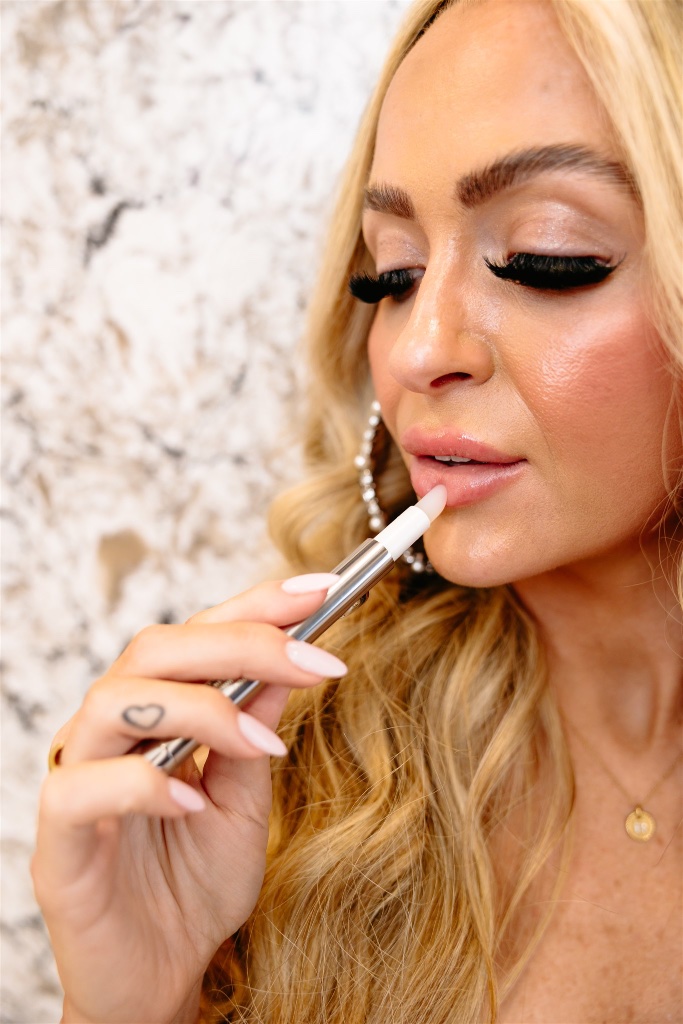
The treatment environment at Youthful Magnolia — where peptide therapy is approached with clinical intention, genuine personalization, and long-term thinking.
Why It Matters
Why provider guidance matters more
than trend-based recommendations.
There is a significant amount of peptide content available online — podcasts, social media posts, wellness articles, forum discussions. Some of it is genuinely informative. A great deal of it is simplified, context-stripped, or driven by commercial interest. The challenge is that patients often cannot easily tell the difference — and when they come in having already formed strong opinions about which peptides they want, based on what they have read or heard, the consultation becomes harder rather than easier.
The problem with trend-based peptide recommendations is not that they are always wrong. It is that they lack the context that makes a recommendation actually meaningful. Knowing that a particular peptide is "popular for recovery" does not tell you whether it is appropriate for your specific health picture, how it interacts with anything else you are doing, what the realistic contribution might be, or whether a completely different approach would serve your goal better.
Provider guidance fills this gap. A clinician who knows your goals, your health history, your current plan, and the clinical evidence can help you distinguish between what sounds compelling and what actually makes sense for you. This is what separates a good peptide consultation from a transaction.
At Youthful Magnolia, the goal of provider guidance is clarity — not upselling, not following trends, not accommodating requests that do not make clinical sense. It is to help patients make genuinely informed decisions about their own care, with the confidence that the plan they leave with is the right one for them specifically.
Amy Robbins · Founder
The best thing I can do for a patient interested in peptide therapy is to ask the right questions first. Not 'which peptide do you want?' but 'what are you actually trying to support — and is this the right tool for that goal?'
The Youthful Magnolia Approach
How peptide therapy fits
into the YM philosophy.
Youthful Magnolia is, at its core, a regenerative aesthetic practice. The philosophy underlying everything Amy does — from laser treatments to wellness planning — is that the best outcomes come from supporting the body's own capacity for health and regeneration, not from surface-level interventions disconnected from the whole person.
Peptide therapy fits into this philosophy naturally — when it is used with intention. In the right context, for the right patient, with the right goal, peptide support may contribute meaningfully to a regenerative care plan. It may support recovery in a patient who is actively engaged in aesthetic or physical recovery work. It may support metabolic health in a patient whose wellness plan already has a strong foundation. It may complement a skin regeneration strategy — sitting alongside treatments like BBL or PRF in a more complete approach to long-term skin vitality.
What peptide therapy never is, at Youthful Magnolia, is a default. It is not offered because it is popular, not recommended without a real consultation, and not used as a way to add something to a plan for its own sake. The question is always: does this serve this patient's genuine goals? If the answer is yes, a thoughtful, personalized plan is built. If the answer is no, that is communicated honestly.
Education-first
Patients leave every consultation with a genuinely clearer understanding than when they arrived.
Evidence-aware
Recommendations are grounded in what the science actually supports — not what the marketing says.
Individualized
Every plan is built around the specific patient, not around a protocol template.
Long-term thinking
The goal is sustainable wellness and long-term outcomes — not short-term fixes.
Why Us
Why Fort Worth patients choose
Youthful Magnolia.
Amy Robbins' Leadership
Every peptide consultation at Youthful Magnolia is led personally by Amy Robbins — a regenerative aesthetic provider with deep clinical expertise and a genuine commitment to individualized care.
Thoughtful Consultations
Consultations are real conversations, not appointment slots where protocols are selected from a menu. Amy takes the time to understand who you are before making any recommendation.
Personalized Planning
No two peptide plans at Youthful Magnolia look alike — because no two patients are alike. Every plan reflects the specific goals, context, and priorities of the individual patient.
Regenerative Medicine Perspective
Peptide therapy at YM exists within a broader regenerative medicine framework — not as an isolated trend, but as one potential tool in a thoughtful, integrated approach to long-term wellness.
Premium Patient Experience
From consultation through treatment, patients experience care that is premium, personal, and respectful of their time, intelligence, and goals.
Wellness With Strategy
No gimmicks, no trending protocols pushed without reason, no oversimplified recommendations. Strategy, honesty, and genuine clinical intelligence — every time.
Common Questions
Peptide therapy —
answered honestly.
What are peptides used for?
What is peptide therapy?
Is peptide therapy personalized?
Are all peptides used for the same thing?
Can peptide therapy support recovery goals?
Can peptide therapy support metabolic goals?
How do I know if peptide therapy is right for me?
What happens during a peptide therapy consultation at Youthful Magnolia?
Why is provider oversight important for peptide therapy?
Where can I find personalized peptide therapy in Fort Worth?
Continue Reading
Peptide Therapy in Fort Worth: What's Real, What's Hype, and How to Build the Right Plan
A medically credible guide to understanding peptide therapy — differentiating clinical application from marketing hype, and building a personalized plan under provider oversight.
Wellness & Regenerative Medicine in Fort Worth
Explore the full suite of regenerative wellness offerings at Youthful Magnolia — from NAD+ therapy to IV support and personalized wellness planning.
In This Article