
What Facial Is Best for Acne-Prone Skin in Fort Worth? How to Choose the Right Treatment for Breakouts, Congestion, and Skin Clarity
A modern Fort Worth guide to understanding acne-prone skin, choosing the right facial or skin treatment, and building a more personalized plan for clearer, healthier-looking skin — from founder Amy Robbins.
 Amy Robbins, MSNA APRN CRNA FNP-BC 15 min read Updated April 2026Facials & Skin
Acne-prone skin is one of the most commonly mismanaged skin concerns in aesthetic medicine — not because providers don't try, but because "acne-prone" is treated too generically. It gets assigned a protocol, a product line, a standard facial — and the result often falls short because the treatment never actually addressed what was happening in that specific patient's skin.
The truth is that acne-prone skin looks very different from person to person. Some patients are dealing primarily with congestion — clogged pores, oiliness, and a heavy-feeling complexion that breaks out periodically. Some are dealing with inflammation — reactive, inflamed-looking skin that flares unpredictably. Some are past the active stage and now managing the textural and tonal aftermath of a history of breakouts. And many are dealing with a combination of all three at different times.
The best facial for acne-prone skin is not the one marketed for "acne." It is the one that matches your skin's actual pattern — what it is doing, why it is doing it, and what it needs to do less of.
At Youthful Magnolia in Fort Worth, we approach acne-prone skin the same way we approach every aesthetic concern: through honest evaluation, personalized planning, and treatments chosen for what the skin actually needs — not what a generic skin-type category suggests.
Section 01
What acne-prone skin
actually means.
"Acne-prone" is a description of skin behavior — not a diagnosis. It refers to skin that is more susceptible to breakouts, congestion, and inflammation than average. But within that broad category, the actual manifestation varies significantly.
Some patients have predominantly comedonal acne — clogged pores, blackheads, whiteheads, and surface congestion with minimal inflammation. Some have predominantly inflammatory acne — papules, pustules, and reactive flares that come and go. Some have hormonal patterns that correlate with predictable timing. And many patients describe themselves as "acne-prone" when they are really dealing with recurring congestion, occasional breakouts, and the texture and tone irregularities left behind by past breakouts rather than any active severe acne.
Understanding which pattern is most relevant to your skin determines which treatment approach is most likely to help. This is not a minor distinction — it is the difference between a treatment that consistently addresses the issue and one that repeatedly misses it.
Section 02
Why breakouts and congestion
happen.
Breakouts and congestion are rarely caused by a single factor. Understanding the contributors helps clarify which treatment approach is most appropriate.
Excess sebum and congestion
The skin's oil glands can produce more sebum than the follicle can effectively clear, leading to congestion, clogged pores, and a heavier-looking complexion that is prone to periodic breakouts.
Clogged pores and follicular buildup
Dead skin cells, oil, and environmental debris accumulate within the follicle, creating the conditions for comedones — blackheads, whiteheads, and congestion — to form. Slowed cellular turnover makes this worse over time.
Inflammation
When follicular contents become a site of bacterial activity and immune response, inflammation results — producing the red, swollen appearance of papular or pustular acne. Inflammation also causes the post-breakout marks that persist long after the lesion itself has resolved.
Barrier disruption
A compromised skin barrier — from over-stripping, environmental stress, or inappropriate product use — can worsen acne-prone skin by disrupting the skin's protective function and triggering reactive, irritation-driven breakouts.
Product mismatch
Heavy, comedogenic, or overly active products can trigger congestion or inflammation in acne-prone skin. Identifying and removing the wrong products is often as important as adding the right treatments.
Hormonal influences
Hormonal fluctuations can increase sebum production and influence the skin's inflammatory response, contributing to the cyclical or persistent breakout patterns many patients describe. This is a systemic factor that topical treatment alone may not fully address.
Slowed cellular turnover
When the skin's renewal cycle slows, dead cells accumulate on the surface and within follicles more rapidly than they are shed — increasing the risk of clogging and congestion that precedes breakouts.
Post-breakout changes
Once a breakout resolves, it often leaves behind visible changes: post-inflammatory redness or pigmentation (PIE/PIH), shallow surface irregularities, or textural marks that require their own treatment strategy separate from active acne management.
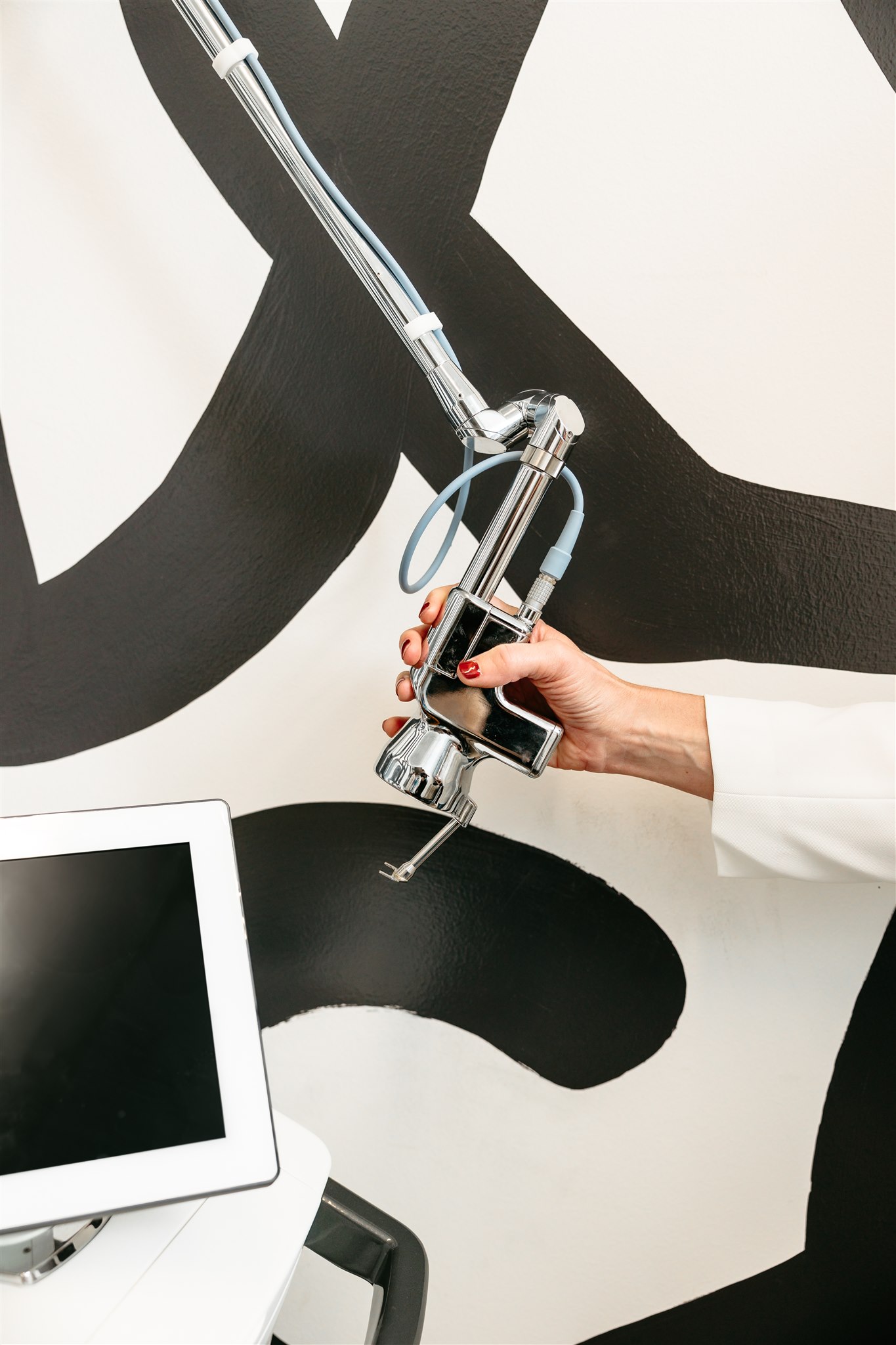
Acne-prone skin requires more nuance than a single protocol. Every plan at Youthful Magnolia starts with a genuine evaluation of what the skin is actually doing.
Section 03
What kind of acne-prone skin
are you actually dealing with?
Before identifying a treatment approach, it is useful to identify which acne-prone pattern is most relevant to your skin. Most patients have more than one contributor — but the primary driver shapes the treatment path significantly.
Congested and oily
Pores appear enlarged, the complexion looks heavy or shiny, and breakouts tend to be comedonal — blackheads, whiteheads, and surface congestion — rather than deeply inflamed. Treatments that support decongestion and chemical exfoliation are typically the strongest match. Customized Facial, Salt Facial, and BioRePeel are well-suited for this profile.
Breakout-prone and inflamed
Active, intermittent breakouts with redness and inflammation characterize this profile. Treatment selection requires care — avoiding triggers while supporting skin repair. During active flares, calming and maintaining the barrier is often the priority. Between flares, BioRePeel, Red Light Therapy, and carefully calibrated Customized Facials may make the most sense.
Acne-prone with sensitive skin
Skin that is both breakout-prone and reactive requires a gentler approach. Aggressive exfoliation or actives that trigger irritation can worsen both the breakouts and the inflammatory response. Red Light Therapy, gentle Customized Facials, and Mesoneedling with Skin Boosters (once inflammation has settled) are typically well-tolerated options.
Acne-prone with post-breakout marks
Post-inflammatory erythema (PIE) or hyperpigmentation (PIH) — the red or brown marks left after a breakout resolves — may be the most visible and persistent concern for many patients. BioRePeel in a series and Microneedling are typically the strongest treatment options for improving post-breakout tone and reducing the visibility of these marks.
Acne-prone with texture concerns
Shallow surface irregularities, rough texture, and uneven skin quality left by a history of breakouts create a distinct concern that is separate from active acne. Microneedling and BioRePeel both address this through different mechanisms — structural collagen renewal and chemical exfoliation respectively — and may be combined strategically in a phased plan.
Acne-prone skin that also looks dull or stressed
Congestion, inflammation, and post-breakout changes can collectively contribute to a dull, tired-looking complexion that lacks radiance alongside the breakout concerns. Treatments that support both cellular renewal and overall skin quality — BioRePeel, Salt Facial, or a well-targeted Customized Facial — help address the dullness component alongside the primary acne-prone concern.
Section 04
Best facial and skin treatment options
for acne-prone skin.
Each of the following treatments addresses acne-prone skin through a different mechanism. None is universally right for all acne-prone patients — the appropriate option depends on the skin pattern, the current condition of the skin, and the patient's goals. All are available at Youthful Magnolia's Facials & Skin practice in Fort Worth.
Customized Facial
Personalized Clinical Care
A clinical facial built around your skin's actual condition at the time of the appointment — not a fixed acne protocol. For acne-prone skin, this may include clinical decongestion, gentle exfoliation, targeted extractions where appropriate, inflammation-calming actives, and barrier-supportive finishing. The most adaptable option for patients whose skin pattern varies or who are beginning a structured maintenance plan.
Best for
Patients with congestion, mild to moderate breakout-prone skin, sensitive acne-prone skin, or those building a consistent maintenance foundation. Strong for all acne-prone skin types as an ongoing support treatment.
BioRePeel
Bi-Phasic Chemical Peel
A next-generation bi-phasic chemical peel that stimulates cellular turnover and skin renewal through a combination of exfoliating and regenerative actives. For acne-prone skin, BioRePeel supports decongestion, improves post-breakout tone irregularities, and promotes a smoother, more even surface over a series of sessions — with very manageable downtime compared to traditional resurfacing peels.
Best for
Patients with congestion, post-breakout PIE/PIH, surface unevenness, or those looking for a more corrective option beyond maintenance facials. Best used when the skin is not in an active inflamed flare.
Microneedling
Collagen Induction Therapy
Creates thousands of microscopic channels in the skin to stimulate the body's natural collagen and elastin production. For post-acne skin — including surface irregularities, textural changes, and residual structural changes from a breakout history — Microneedling offers a deeper corrective pathway than surface-only treatments. Results develop progressively over a series of 3–6 sessions.
Best for
Patients with post-acne texture, surface irregularities, skin-quality changes from breakout history, or those looking for structural improvement beyond what surface treatments can achieve. Not appropriate during active breakouts.
Mesoneedling with Skin Boosters
Hydration + Needling
Combines superficial needling stimulation with the direct infusion of hydrating and regenerative actives — hyaluronic acid, vitamins, and peptides — into the dermis. For acne-prone skin, this treatment supports skin hydration and barrier function alongside gentle tissue stimulation, helping address the dehydration and barrier compromise that can worsen breakout patterns in some patients.
Best for
Acne-prone patients whose skin is also dehydrated, barrier-compromised, or showing signs of stress and reduced vitality — particularly those who need hydration-aware care alongside their acne management.
Red Light Therapy
Anti-Inflammatory Light Support
Uses specific red and near-infrared wavelengths to support cellular energy, reduce inflammation, and promote skin recovery. For acne-prone skin, Red Light Therapy has a role in calming inflammatory activity, supporting post-treatment recovery, and providing a gentle, non-irritating treatment option for patients whose skin is too reactive for more active interventions. Often used alongside other treatments rather than as a standalone corrective.
Best for
Acne-prone patients with reactive, sensitive, or inflamed skin who need calming support. Also valuable as a complementary treatment alongside BioRePeel or Microneedling to support recovery and reduce post-treatment redness.
Salt Facial
Exfoliation + Ultrasound + Light
Combines physical salt exfoliation, ultrasound skin rejuvenation, and targeted light therapy in a single session. For acne-prone skin, the Salt Facial supports surface decongestion, improves skin clarity and luminosity, and delivers a polished, cleaner-looking result with minimal downtime. An effective ongoing maintenance treatment for patients managing congestion-prone or mildly breakout-prone skin.
Best for
Patients with congestion, surface buildup, and acne-prone skin seeking visible clarity improvement with manageable recovery. Also a strong monthly maintenance option between more corrective treatments.
Dermaplane
Physical Exfoliation
Manual exfoliation that removes the outermost layer of dead skin cells and vellus hair using a sterile surgical blade. For select acne-prone patients — specifically those dealing with surface roughness and dead-cell buildup without current active inflamed breakouts — Dermaplane provides direct surface refinement. It is not appropriate during active flares and requires careful patient selection for acne-prone skin.
Best for
Acne-prone patients with predominantly surface roughness and dead-cell buildup in the absence of active, inflamed breakouts. Requires individual evaluation for appropriateness based on skin's current condition.
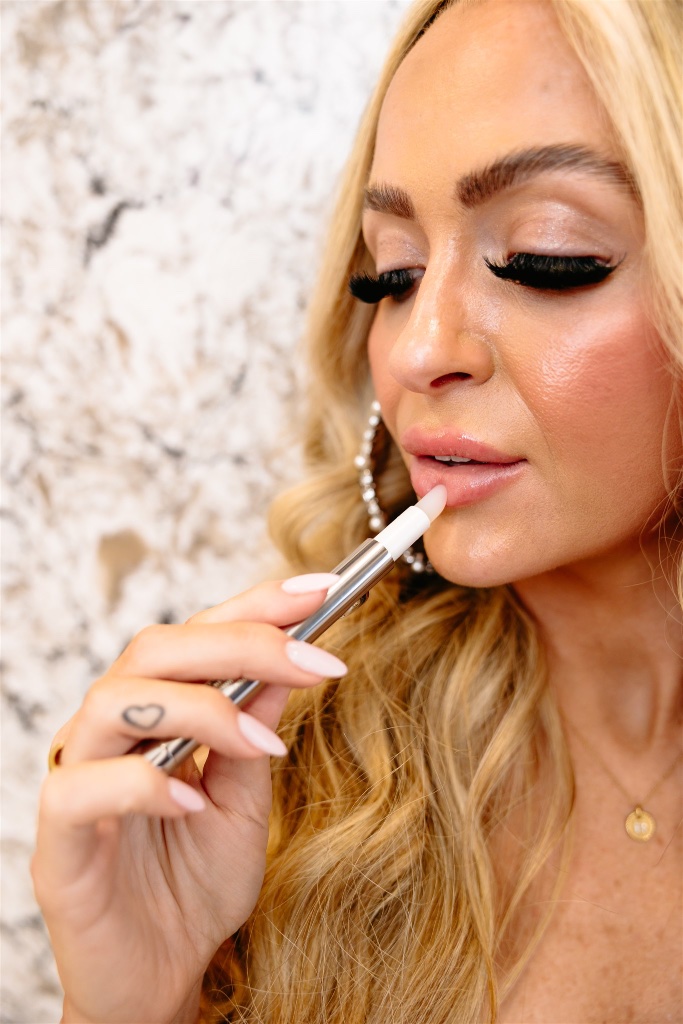
Treatment selection for acne-prone skin is guided by a direct skin evaluation — not a skin-type assumption.
Section 05
An expert perspective
from Amy Robbins.
Amy Robbins, MSNA, APRN, CRNA, FNP-BC, approaches acne-prone skin with the same philosophy she applies to every skin concern: understanding first, treatment second.
"Acne-prone skin often needs a more customized approach than patients — and sometimes providers — expect," Amy explains. "The instinct is to match 'acne' to 'acne protocol.' But that approach misses all the specificity. Is the patient dealing with congestion? Inflammation? Post-breakout changes? Dehydration alongside the oiliness? Barrier damage from over-treating? Each of those situations has a different best next step."
Her view on clearer-looking skin is grounded in patience and strategy. "The patients who get the most consistent, lasting improvement in acne-prone skin are almost always those who are willing to commit to a plan — not just a single treatment session," she says. "Clearer skin usually comes from reducing the congestion cycle, calming inflammatory behavior, and then addressing whatever the breakout history has left behind. That is a sequence, not a one-appointment fix."
Amy Robbins · Founder, Youthful Magnolia
"When someone says they have acne-prone skin, the next question is always what kind. Better treatment decisions happen when we understand whether the issue is congestion, inflammation, texture, barrier stress, or a mix of several things."
For patients whose acne-prone skin pattern has a broader systemic component, Amy's background in regenerative medicine allows for a more integrated conversation. In some cases, discussing peptide therapy or inflammation-related systemic support may be part of a longer-term skin health plan — though this is always based on individual clinical evaluation, not a default recommendation.
Section 06
Matching treatment
to your concern.
The following is a practical guide — not a rigid protocol. Every recommendation at Youthful Magnolia follows a direct skin evaluation. This framework is a useful starting orientation before your consultation.
Skin concern
Congested, oily skin
May consider
Note
Decongestion and regular surface exfoliation are the priority. BioRePeel adds chemical renewal depth that surface facials cannot replicate.
Skin concern
Breakout-prone, inflamed skin
May consider
Note
Calming and barrier support come first during flares. More corrective treatments are introduced between flares once the skin has stabilized.
Skin concern
Sensitive acne-prone skin
May consider
Note
Gentler approach. Avoid aggressive exfoliation. Focus on barrier support, calming, and hydration-aware care.
Skin concern
Post-breakout marks (PIE / PIH)
May consider
Note
Consistent treatment over 6–12 weeks produces the most meaningful improvement in post-inflammatory tone changes.
Skin concern
Post-acne texture and irregularities
May consider
Note
Microneedling for structural improvement; BioRePeel for ongoing surface refinement. Often used in a phased plan.
Skin concern
Acne-prone and dehydrated
May consider
Note
Restoring barrier hydration often reduces reactive breakout behavior. Avoid heavy occlusive products that trap congestion.
Skin concern
Dull, congested, acne-stressed skin
May consider
Note
Cellular renewal and decongestion support both the clarity and luminosity goals. Consistency over 6–8 weeks produces cumulative improvement.
Skin concern
Surface roughness without active flares
May consider
Note
Dermaplane is appropriate for select patients without current inflammation. Amy evaluates suitability at every appointment.
Section 07
When non-laser treatments may be
the right starting point.
For most patients with acne-prone skin — including those with significant congestion, intermittent breakouts, and post-breakout skin changes — non-laser treatments are an appropriate and effective starting point. Laser therapy is not a default requirement for acne-related skin concerns, and beginning with non-laser options often provides meaningful improvement with lower complexity and recovery demands.
Treatments like BioRePeel, Microneedling, and well-calibrated Customized Facials can address congestion, texture, post-breakout marks, and skin quality without the additional variables that laser therapy introduces — including the need for stable, non-active skin and the longer recovery expectations that some laser treatments require.
For a subset of patients — particularly those dealing with persistent inflammatory redness, significant background redness, or post-acne pigmentation that has not responded to non-laser approaches — light-based options like BBL or MOXI may become relevant in a later phase of treatment planning. But this is a considered progression, not a starting assumption.
The clearest signal that non-laser care is producing results is progressive improvement over successive appointments — skin that is becoming consistently less congested, less reactive, and visually more even over time. That kind of consistent progress is achievable for most acne-prone skin patients through thoughtful non-laser treatment planning.
Section 08
How to support clearer-looking skin
over time.
Clearer-looking skin for acne-prone patients is rarely the result of a single impressive treatment. It is the result of consistent, strategic care — professional treatments calibrated to the skin's current condition and pattern, supported by appropriate at-home care, and sustained over time.
For most patients, this means a combination of regular maintenance treatments — monthly Customized Facials or Salt Facials to manage congestion and maintain skin clarity — alongside periodic corrective sessions aligned to their post-breakout texture and tone goals. As skin quality improves, the corrective component may shift to less frequent maintenance.
Barrier health is particularly important for acne-prone skin. The instinct to strip, over-exfoliate, or over-treat breakout-prone skin often backfires — disrupting the skin's protective function and triggering the reactive behavior that makes breakouts worse. A quality barrier-supportive home care routine — gentle cleansing, appropriate hydration, and consistent broad-spectrum SPF — is as important as the professional treatment itself.
Home SPF use in Fort Worth is non-negotiable. Daily UV exposure is one of the most consistent contributors to post-breakout pigmentation worsening and inflammatory skin stress — both of which directly affect how acne-prone skin behaves and heals.
Section 09
Why Fort Worth patients choose
Youthful Magnolia.
Youthful Magnolia is a founder-led boutique aesthetic practice in Fort Worth, Texas — built on the belief that effective skin care starts with understanding, not assumption.
Amy Robbins leads every consultation personally. For patients with acne-prone skin, this means a genuine clinical evaluation of the skin's current pattern, a frank conversation about what is driving it, and a plan that reflects what the skin actually needs — not what a standard acne facial menu suggests.
Founder-led consultations — Amy Robbins evaluates every patient directly
Personalized treatment selection based on your specific skin pattern
No fixed acne protocols — each plan is built for your skin
Long-view philosophy focused on lasting skin health improvement
Regenerative medicine integration available where clinically relevant
Honest, nuanced patient education at every stage of care
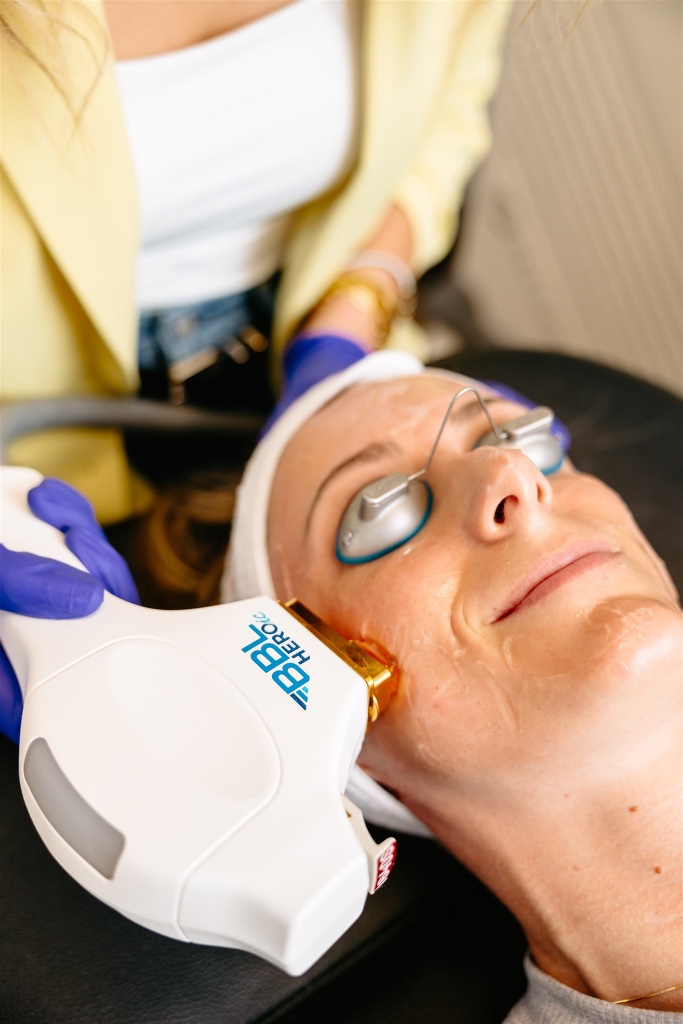
Clearer-looking skin is a long-term strategy at Youthful Magnolia — built on consistent, personalized care and honest expectations.
Common Questions
Facials for acne-prone skin —
answered honestly.
What is the best facial for acne-prone skin in Fort Worth?
What causes acne-prone skin?
What facial helps with congested skin?
Is BioRePeel good for acne-prone skin?
Can microneedling help after breakouts?
What treatment helps acne-prone skin without lasers?
Is dermaplane okay for acne-prone skin?
How often should I get a facial for acne-prone skin?
What's the difference between a facial and a corrective skin treatment?
Where can I get a facial for acne-prone skin in Fort Worth?
Related Services
Your Provider
Amy
Robbins
MSNA · APRN · CRNA · FNP-BC
Book a Consultation"Acne-prone skin responds best to plans that are built around its actual pattern — not its category. When we get that right, the improvement compounds over time in a way that a one-size-fits-all protocol simply cannot deliver."
— Amy Robbins, Founder · Youthful Magnolia
Youthful Magnolia · Fort Worth, TX
Ready to build a more
thoughtful skin plan?
If you're dealing with breakouts, congestion, post-breakout texture, or skin that never seems fully clear, our team can help you choose the right treatment path for healthier-looking, more balanced skin.