Women's Wellness
A Guide to Perimenopause
Perimenopause is the transitional phase before menopause, marking a natural shift in a woman's reproductive life. This guide provides an overview of what perimenopause is, common signs, how it's evaluated, and what to consider.
Table of Contents
What Is Perimenopause?
Perimenopause, which means “around menopause,” is the time during which a woman’s body makes the natural transition to menopause. During this phase, ovarian function gradually changes, and hormone levels — particularly estrogen and progesterone — may fluctuate in patterns that differ from earlier reproductive years.
Perimenopause is a normal part of aging. It is not a medical condition or a disorder. Every woman’s experience is different. Some women notice few changes, while others experience a range of symptoms that can affect daily life. Understanding what perimenopause is — and what it isn’t — is the first step in navigating this transition.
When Does Perimenopause Usually Begin?
The timing of perimenopause varies from person to person. Most women begin noticing changes during their 40s, though some may notice changes earlier. The transition is highly individual, and there is no universal “right” age for it to begin.
Family history, medical history, surgical history, and other individual factors can influence when perimenopause starts and how it unfolds. Some women may enter perimenopause earlier due to genetic factors, medical conditions, or surgical procedures such as the removal of the ovaries.
If you are wondering whether changes you are experiencing might be related to perimenopause, discussing your individual situation with a qualified healthcare professional can help provide context.
What Causes Perimenopause?
Perimenopause is driven by gradual changes in ovarian function that occur as women age. The ovaries produce estrogen and progesterone — hormones that play central roles in the menstrual cycle and reproductive health. During perimenopause, the ovaries’ production of these hormones becomes less predictable.
Ovulation may become irregular, and hormone levels may fluctuate more noticeably from cycle to cycle. These hormonal shifts underlie many of the changes associated with perimenopause.
However, it is important to understand that hormonal fluctuations do not explain every symptom. Sleep changes, mood changes, and other symptoms can have multiple potential causes — including stress, nutrition, medications, underlying health conditions, and life circumstances. A thoughtful evaluation considers hormonal patterns alongside other factors rather than assuming that hormones are the sole explanation for every change.
Common Signs & Symptoms
The changes associated with perimenopause can vary widely. Not every woman will experience every symptom, and the intensity of symptoms can differ significantly from person to person.
Menstrual Changes
Cycles may become shorter, longer, heavier, lighter, or less predictable. Irregularity is one of the most common signs of perimenopause.
Hot Flashes
Sudden sensations of warmth, often most noticeable in the face, neck, and chest. Hot flashes may vary in frequency and intensity.
Night Sweats
Hot flashes that occur during sleep, which may disrupt rest and contribute to daytime fatigue.
Sleep Changes
Sleep patterns may shift — with difficulty falling asleep, staying asleep, or waking earlier than desired.
Mood Changes
Some women notice shifts in mood, irritability, or emotional sensitivity during the transition.
Vaginal or Urinary Changes
Changes in vaginal dryness, comfort, or urinary patterns may occur and can affect daily life and intimate wellness.
Sexual Wellness
Interest in or comfort with intimacy may shift for a variety of reasons during perimenopause.
Changes in Body Composition
Some women notice changes in weight distribution, muscle, or overall body composition.
The symptoms listed above can have other causes. Not every symptom is caused by perimenopause, and not every woman will experience every symptom. If you are experiencing new or concerning symptoms, discussing them with a healthcare professional is the most reliable way to understand what may be contributing.
Have questions about changes you’re experiencing?
Explore personalized women’s wellness consultations.
How Long Does Perimenopause Last?
The duration of perimenopause varies. On average, the transition lasts several years, though individual experiences differ widely. Some women move through the transition relatively quickly, while others experience changes over a longer period.
Perimenopause ends when a woman has gone 12 consecutive months without a menstrual period. That point — the final period — marks the transition to menopause. The time after that is referred to as postmenopause.
Perimenopause vs. Menopause
Perimenopause and menopause are related but distinct. Understanding the difference can help you understand where you may be in the transition.
| Perimenopause | Menopause | |
|---|---|---|
| Definition | The transitional phase before menopause | The point 12 months after the final menstrual period |
| Menstrual Cycle | Often irregular; cycles may vary in length and flow | Periods have ceased entirely |
| Typical Transition | Several years leading up to the final period | A specific point in time, after which a woman is postmenopausal |
| Symptoms | May include irregular cycles, hot flashes, sleep changes, mood shifts, and others | Symptoms associated with the transition may continue, though patterns often evolve |
| Evaluation | Based on history, symptoms, and life stage — not a single test | Confirmed retrospectively after 12 consecutive months without a period |
| Treatment Considerations | Varies by individual — may include lifestyle, symptom-specific, or hormonal approaches when appropriate | Varies by individual — options may differ based on post-menopausal needs and health profile |
For a more detailed comparison, see our upcoming article on perimenopause vs. menopause.
How Is Perimenopause Evaluated?
Perimenopause is typically evaluated based on a combination of factors, including your medical history, the pattern and nature of your symptoms, your age and life stage, and an appropriate clinical assessment. Your provider may consider:
- Changes in your menstrual cycle
- The types of symptoms you are experiencing
- When the changes began
- Your overall health and medical history
- Family history
- Medications you are currently taking
Importantly, there is no single blood test that universally diagnoses perimenopause. Hormone levels can fluctuate significantly from day to day and cycle to cycle, making a single hormone measurement an unreliable diagnostic tool on its own. In some cases, your provider may recommend laboratory testing to rule out other conditions or to gather additional information, but testing is interpreted in the context of your overall clinical picture — not as a standalone diagnosis.
What Treatment Options Exist?
Treatment options fall into several categories. The appropriate approach depends on your individual symptoms, health history, risk factors, and goals. There is no standard protocol that applies to every woman.
Lifestyle Strategies
Regular physical activity, nutrition considerations, stress management, and sleep hygiene may support overall well-being during the transition.
Symptom-Specific Approaches
Some strategies target specific symptoms — for example, approaches aimed at hot flashes, sleep, or vaginal comfort — rather than addressing all changes at once.
Hormonal Treatment (When Appropriate)
Hormone therapy may be discussed when appropriate for certain symptoms. Whether it is appropriate depends on individual health history, risk factors, and the specific symptoms involved. Hormone therapy is not universally necessary or appropriate for every woman.
Non-Hormonal Treatment (When Appropriate)
For women who prefer non-hormonal approaches or for whom hormonal treatment is not appropriate, non-hormonal options may be discussed. These vary depending on the symptoms being addressed.
Sexual and Vaginal Wellness
Changes in intimate wellness may be addressed through various approaches, depending on the specific concern and the individual.
Sleep
Sleep strategies may be discussed on their own or as part of a broader approach. Because sleep changes can have many causes, evaluation may consider factors beyond hormones.
Weight and Metabolic Health
Changes in body composition or weight may be discussed. These changes can have multiple contributors, and approaches may intersect with nutrition, activity, and metabolic health.
Appropriate Referral
Some concerns may warrant referral to a specialist — such as a gynecologist, endocrinologist, sleep specialist, or mental health professional — depending on the situation.
Your provider can help you understand which categories may be most relevant to your situation and what the potential benefits and considerations of each might be. If you’re interested in exploring hormonal evaluation, learn more about Hormone Optimization.
When Should You Talk With a Healthcare Professional?
Consider speaking with a healthcare professional if:
- Symptoms are affecting your quality of life
- You have questions about changes you are experiencing
- You want to understand whether what you are noticing is consistent with perimenopause
- You are experiencing new or concerning symptoms
- You have questions about treatment options or approaches
You do not need to wait until symptoms are severe to have a conversation. A consultation can be valuable even if you are simply seeking information and understanding.
Can Perimenopause Care Be Virtual?
Telehealth may be appropriate for certain aspects of perimenopause care, including:
- Initial discussion of your symptoms and concerns
- Review of your medical history
- Discussion of potential approaches and options
- Follow-up conversations
However, some situations may require in-person evaluation, laboratory testing, or referral to a specialist. Virtual care is not a substitute for in-person evaluation when that is needed. Your provider can help determine what type of visit is appropriate for your situation.
If you are interested in exploring virtual care, Youthful Magnolia offers virtual consultations for women navigating perimenopause and related wellness concerns.
Amy's Perspective
This section requires manual review and approval by Amy Robbins before publication. Amy’s personal perspective on perimenopause care will be added here.
What We Discuss With Patients
During a consultation, the conversation typically includes your symptom pattern, timeline, health history, and goals. The goal is not to apply a generic protocol but to understand your individual experience and discuss what approaches may be appropriate for you.
Youthful Magnolia Takeaway
Perimenopause is a natural transition, not a one-size-fits-all experience. Understanding what is happening — and what may be contributing to your changes — is the first step. Whether through lifestyle strategies, symptom-specific approaches, hormonal evaluation when appropriate, or referral when needed, the goal is an individualized plan that reflects your situation and goals.
Frequently Asked
Frequently Asked Questions
References
References
References for this article are being curated and verified by our clinical team from authoritative sources including the National Institutes of Health (NIH), the Food and Drug Administration (FDA), the American College of Obstetricians and Gynecologists (ACOG), The Menopause Society, and peer-reviewed medical literature. Verified citations will be added upon completion of medical review.
This content is provided for general educational purposes and is not a substitute for individualized medical advice, diagnosis, or treatment. Always consult with a qualified healthcare professional regarding your individual health concerns.
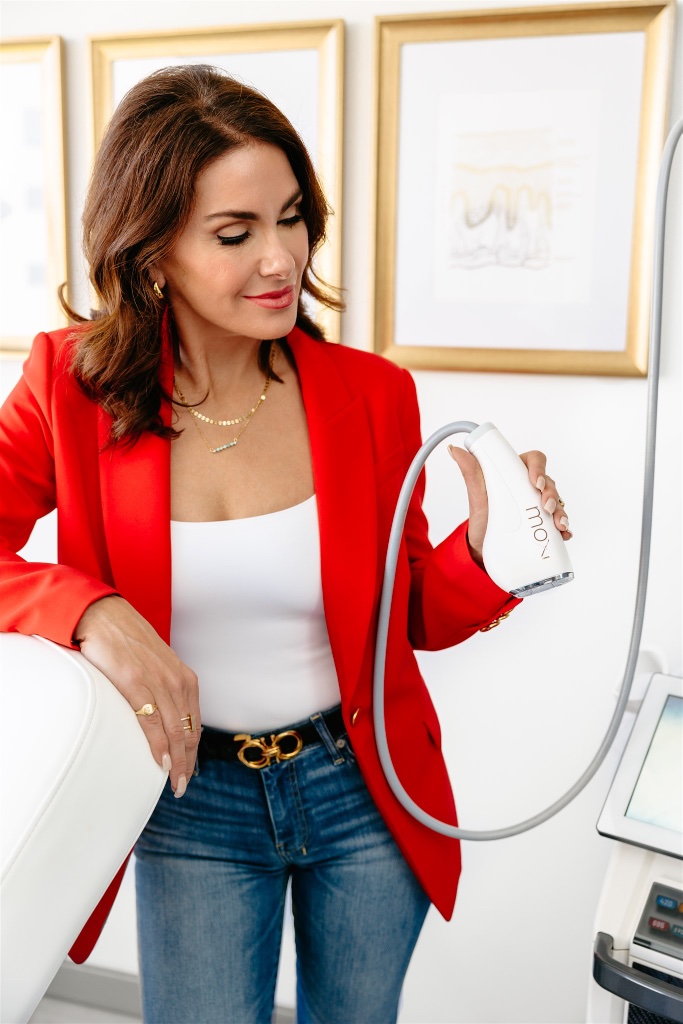
Your Provider
Amy Robbins, MSNA, APRN, CRNA, FNP-BC
Amy Robbins is board-certified as a Family Nurse Practitioner and Certified Registered Nurse Anesthetist. Her approach blends evidence-based medicine with a genuinely personal, patient-first philosophy. Every consultation is thorough, unhurried, and grounded in your individual health history, symptoms, and goals.
View Full Provider ProfileReady to Talk?
Request a Women’s Wellness Consultation
If you have questions about changes you’re experiencing, our team is here to help. Start with a consultation to discuss your individual situation.
Explore Women’s Wellness