Why Does My Skin Look Grey or Dull in Winter?
Every year around the time the heat comes on, the same thing happens: skin that looked clear and lit-from-within in September goes flat. It is not breaking out, it is not visibly flaky, but it reads as grey, tired and somehow older. Makeup sits differently. Nothing you add seems to bring the glow back.
The direct answer: "glow" is mostly about how evenly the skin reflects light, and winter changes the surface in three ways that scatter light instead of reflecting it. Low humidity outdoors and dry, heated air indoors pull water out of the top layer of skin, so it becomes rougher and less translucent. Skin cell turnover and the lipid "mortar" between cells change, so dead cells linger and the surface loses its smoothness. And cooler temperatures and less daylight reduce the blood flow and the warm undertone that makes skin look alive. Layer on hot showers, a summer tan fading to reveal uneven pigment, and more time under artificial light, and the result is skin that looks grey even when it is perfectly healthy.
This guide explains what dullness actually is, why winter causes it — including the Texas version — how to tell it from dryness, pigment and fatigue, and what helps.
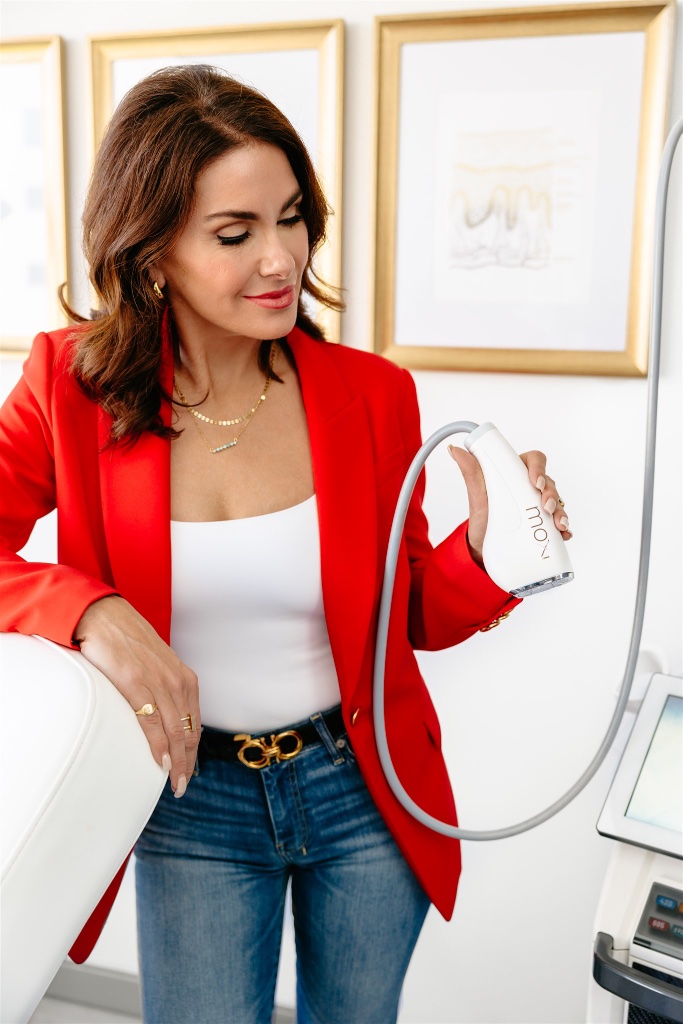
Written by
Amy Robbins, MSNA, APRN, CRNA, FNP-BC
A Quick Summary
What "dull" means: a surface that scatters light instead of reflecting it, from roughness, dehydration and reduced blood flow.
Why winter does it: low humidity, indoor heating, hot water, slower turnover, less daylight, and cooler skin.
Texas twist: mild outdoors, very dry indoors, and constant swings between the two.
Important distinction: dull, dry, dehydrated, pigmented and tired-looking skin overlap but are not the same thing.
What helps most: humidity and hydration first, gentle exfoliation second, in-office resurfacing or hydration treatments third — and sun protection all winter.
What "Dull" Actually Means
Skin looks radiant when its surface is smooth and well hydrated, because light bounces off it evenly, and when there is healthy blood flow beneath, because that gives the surface its warm undertone. Skin looks dull when any of those fail: a rough or flaky surface scatters light in many directions, a dehydrated surface loses translucency, and reduced blood flow or uneven pigment flattens the undertone.
Dullness is therefore not one problem. It is the visual result of several surface changes happening at once — which is why a single product rarely fixes it, and why the same skin can look dull in January and luminous in June with no change in routine.
Why Winter Makes Skin Dull
Low humidity pulls water out of the skin
Cold air holds less moisture, and heating it indoors drops the relative humidity further still. Paired summer-and-winter studies that measured the same people in both seasons find that the water content of the outermost skin layer is consistently lower in winter, with the difference most marked on the face. Laboratory work shows that even an hour of low-humidity exposure increases water loss through the skin and begins to loosen the structure of the surface layer. Dehydrated surface cells shrink and lift, and the skin goes from smooth to faintly rough — enough to scatter light.
The barrier changes with the season
The lipids that hold surface cells together also shift seasonally, and the skin barrier works less well in winter. A weaker barrier loses more water and admits more irritants, which is why winter skin is both duller and more reactive. For the full story on barrier damage and sensitivity, see why your skin is suddenly dry and sensitive.
Dead cells linger
Cell turnover does not stop in winter, but a dry, tight surface does not shed as cleanly. Dead cells that would flake away unnoticed in humid weather cling and build up, creating a faint, uneven film that dulls the surface. This is the part exfoliation addresses — and the part people tend to over-correct.
Hot water and indoor heat
Long hot showers feel wonderful in winter and strip surface lipids more effectively than anything else in a normal routine. Sitting near a heater or a fireplace, or sleeping in a heated bedroom, does the same thing more slowly. The result is a surface that is drier, tighter and more light-scattering by morning.
Less daylight and cooler skin
In cold, blood vessels in the skin narrow to conserve heat, which reduces the pink undertone that reads as health. Shorter days and more time indoors mean skin is seen more under artificial light, which is flatter and often cooler than daylight. Neither changes the skin itself much; both change how it looks.
The tan fades and pigment shows
As the summer tan fades, the uneven pigment it was masking — sun spots, post-inflammatory marks, melasma — becomes visible against paler surrounding skin. Mottled tone reads as dull even when the surface is smooth. Our guide to sun spots vs melasma covers the distinctions, and the summer counterpart to this article is why heat and sun make pigment worse.
Lifestyle changes that cluster in winter
Less water, more coffee and alcohol, heavier food, less exercise and less sleep around the holidays all nudge the skin in the same direction: less hydrated, less perfused, more inflamed. None causes dullness alone; together they explain why January skin looks the way it does.
The Fort Worth Version
North Texas winters are mild compared with the north, which makes people assume winter skin is not a local problem. It is, for two reasons. First, dew points drop sharply from November to February, so the air is dry even on a 65-degree afternoon. Second, heated offices, cars and homes run very dry, and most people move between outdoor and indoor air many times a day, which stresses the barrier more than steady cold does. The pattern is the same as a northern winter; the trigger is the indoor air rather than the outdoor temperature.
Dull, Dry, Dehydrated, Pigmented or Tired?
These overlap, and sorting them tells you where to start.
- Dull — the surface does not reflect light well. The umbrella term; the others are causes.
- Dry — not enough oil. Lifelong tendency, worsens with age and winter; feels tight and may flake.
- Dehydrated — not enough water in the surface layer. Any skin type; looks papery with fine lines that vanish after moisturizer. The main winter driver.
- Pigmented — uneven color scatters the eye. Becomes more visible as a tan fades.
- Tired-looking — shadows and volume loss rather than surface. See why your face looks tired when you are rested.
Most winter dullness is dehydration plus lingering dead cells, with pigment showing through. That combination responds well to a sensible routine, which is the good news.
What Helps: Matching the Cause to the Approach
The table pairs each contributor with the general category of approach that may help, and what it will not do. It is educational and does not recommend a product or treatment for any individual.
| What You Notice | Likely Contributor | General Approach Categories | What That Category Does Not Address |
|---|---|---|---|
| Papery, flat, fine lines that vanish with moisturizer | Dehydration from dry air | Humidifier in the bedroom; humectant under a moisturizer; lukewarm, shorter showers; moisturize on damp skin; in-office hydration such as mesoneedling with skin boosters or a hydrating customized facialMesoneedling with skin boosters · Customized facial | Pigment; texture from scarring; oil deficiency |
| Faint film, makeup sits unevenly | Lingering dead cells | Gentle chemical exfoliation once or twice a week; dermaplaning for immediate smoothness; a light peel such as BioRePeel in appropriate skinDermaplaning · BioRePeel | Dehydration (over-exfoliating makes it worse) |
| Tight, flaky, sometimes stinging | Barrier disruption | Pause actives; ceramide-containing moisturizer; sunscreen; see the barrier guideThe barrier guide | Pigment, structural texture |
| Mottled tone as the tan fades | Sun spots, PIH, melasma | Daily sunscreen; pigment-targeting skincare; light-based treatment such as BBL in appropriate skin types — winter is often the preferred season for itBBL | Dehydration and roughness |
| Rough, uneven surface that persists when hydrated | Photoaging, texture change | Gentle fractional laser such as MOXI in appropriate candidates; see why skin texture changes with ageMOXI · Why skin texture changes with age | Dehydration; pigment alone |
| Pale, cool undertone, worse in artificial light | Reduced blood flow, lighting | Warmth, movement, daylight; this is mostly perception, not pathology | Surface or pigment problems |
This table is for educational purposes only and does not replace a professional assessment. Not all treatments listed are offered at Youthful Magnolia.
For help choosing between in-office options, see best facial for dull skin and improving texture without lasers. For how light-based treatments are sequenced across the year, see the Forever Young BBL seasonal plan.
Why Winter Is Often the Right Season for Resurfacing
There is a practical upside to winter dullness: lower UV exposure makes it the safer season for treatments that would be risky in a Texas summer. Light-based and fractional treatments depend on avoiding sun before and after; peels and dermaplaning leave the skin briefly more sun-sensitive. That is why many practices schedule corrective skin work between November and March. The timing is a scheduling fact, not a reason to treat — a dull winter surface that is simply dehydrated needs humidity and moisturizer, not a laser.
What Treatments Cannot Do
- No treatment counteracts a dry bedroom and a hot shower every night. Environment and routine come first.
- Exfoliating more than the skin tolerates turns dullness into irritation and makes the surface rougher.
- Hydrating treatments improve water content for days to weeks; they do not change oil production or fix pigment.
- Light-based and fractional treatments address pigment and texture, not dehydration, and are not appropriate on a barrier-damaged surface.
- "Brightening" products act on pigment, not on light scatter from dryness; they will not fix a dehydrated dullness.
When Dull Skin Needs Medical Evaluation
Most winter dullness is cosmetic and seasonal. See a physician if:
- Skin is grey or sallow all year, not only in winter, or the change is sudden.
- Dullness comes with fatigue, hair changes, weight change, feeling cold, or other new symptoms.
- There is persistent yellowing, or very pale skin with lightheadedness.
- Dryness is severe, cracking, or affects the whole body.
Some whole-body changes in skin color and dryness reflect thyroid, blood-count, liver or other conditions that a physician should consider. This article does not diagnose any of them.
Common Myths About Dull Winter Skin
MYTH: Dull skin means I need to exfoliate harder.
FACT: Winter dullness is mostly dehydration. Over-exfoliating a dry surface makes it rougher and more reactive.
MYTH: Drinking more water will restore my glow.
FACT: Hydration matters for health, but surface dullness is about water held in the top layer of skin, which depends on humidity and the barrier, not intake.
MYTH: I do not need sunscreen in winter.
FACT: UV continues through winter and through windows, and winter is when fading tans reveal pigment. Sunscreen is part of the fix.
MYTH: Texas winters are too mild to affect skin.
FACT: Low dew points and heated indoor air dry the skin regardless of outdoor temperature.
MYTH: A richer cream is always better.
FACT: A rich occlusive cream helps if the barrier is intact; on a dehydrated surface, a humectant under a moisturizer does more.
MYTH: Dull means dirty.
FACT: Dull is a light-reflection problem, not a cleanliness problem. Over-cleansing is a cause, not a cure.
Consultations at Youthful Magnolia in Fort Worth
At Youthful Magnolia in Fort Worth, a winter skin consultation starts by sorting what is driving the dullness — dehydration, lingering surface cells, a tired barrier, pigment coming through, or texture that was there all along — and by looking at the routine and the environment before any treatment is discussed. For many people the honest answer is a humidifier, a shorter shower and a better moisturizer; for others, winter is the right moment for a hydration treatment, a peel, or the light-based work that summer sun makes impractical.
If you would like help working out why your skin loses its glow every winter and what would actually bring it back, book a consultation. You can also read about our customized facial, dermaplaning, and mesoneedling with skin boosters.
Lost your glow since the heat came on?
A skin consultation can identify whether it is dryness, surface build-up, pigment or texture, and plan the right winter approach — including the option of fixing the routine first.
Frequently Asked Questions
References
1. Effects of season on stratum corneum barrier function and skin biomarkers
J Cosmet Sci. 2016;67(3):185–203 · Paired summer/winter comparison; hydration consistently higher in summer; seasonal changes in SC lipids; differences more marked on the face.
https://library.scconline.org/v067n03/64 ↗2. Effect of low humidity on the barrier functions of keratinocytes in a reconstructed human epidermal model
PubMed · One hour of low-humidity exposure increased TEWL and permeability.
https://pubmed.ncbi.nlm.nih.gov/39935117/ ↗3. Seasonal influence on functional skin parameters in healthy Japanese women
Exp Dermatol. 1992;1(1):32–38 · Exposed facial skin more irritable in winter; lower SC hydration on forearm; higher redness on cheek.
https://karger.com/exd/article-abstract/1/1/32/133809 ↗4. Short-term indoor winter exposure and skin condition
Skin Res Technol. 2023 · Indoor heating and low RH promote moisture loss; atopic exacerbations peak in winter and spring.
https://pmc.ncbi.nlm.nih.gov/articles/PMC10264749/ ↗5. Effects of water temperature and cold exposure on skin barrier parameters
J Clin Med. 2022;11(2):298 · Hot water exposure increased TEWL and erythema more than cold.
https://pmc.ncbi.nlm.nih.gov/articles/PMC8778033/ ↗This article is for educational purposes and does not provide a diagnosis or replace an individual medical evaluation.
Author
Amy Robbins, MSNA, APRN, CRNA, FNP-BC
Board-certified Family Nurse Practitioner and founder of Youthful Magnolia in Fort Worth, Texas.
Related Treatments
Get Started
Understanding the cause is the first step.
Book a consultation at Youthful Magnolia in Fort Worth. We'll look at the routine, the environment, and the skin surface separately, and help you understand which available services, if any, may be appropriate for you.
Request a Consultation