Can a Picosecond Laser Help Fine Lines and Wrinkles in Fort Worth? What to Know About Skin Renewal Beyond Pigment
A modern Fort Worth guide to understanding how fine lines, wrinkles, texture, and skin renewal overlap — and when advanced laser conversations may make sense.
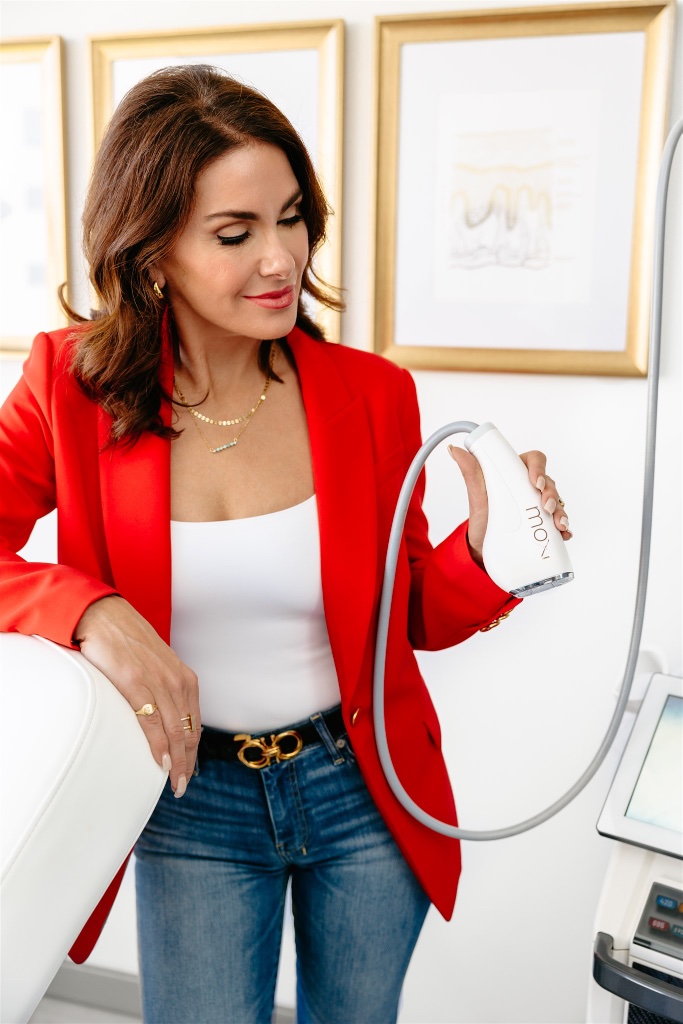 By Amy Robbins, MSNA APRN CRNA FNP-BC 15 min read July 2026Laser & Light
Many patients searching for wrinkle treatment are not always dealing with the same kind of concern. Some are seeing early fine lines, some are noticing rough texture that makes the skin look older, and some are dealing with pigment and uneven tone that exaggerate the appearance of aging. The smartest conversation begins with identifying what is actually changing in the skin.
If you are searching for picosecond laser fine lines wrinkles Fort Worth or laser for wrinkles Fort Worth, you have probably encountered a flood of anti-aging marketing — much of it treating every line and every crease as if the same device should address them all. It should not. A fine surface line from early sun damage is a very different conversation from a deep expression-related fold, which is again different from the dull, rough texture that makes skin look tired even when no single wrinkle is visible.
This is where nuance matters. The question is not simply which laser helps wrinkles? The question is what kind of change is the skin actually showing, and what category of treatment may fit that change? For some patients, surface renewal and resurfacing are the right conversation. For others, structural support through injectables is more appropriate. For others still, tightening addresses the concern better than any surface treatment. And for many, a thoughtful combination is the most natural-looking path.
At Youthful Magnolia in Fort Worth, we approach fine lines, wrinkles, and skin renewal with nuance, not one-size-fits-all anti-aging marketing. This article is designed to help you understand how a picosecond-laser conversation may fit into skin-renewal planning, why wrinkles are not always just a resurfacing issue, and how we think about skin quality with restraint and long-term strategy.
Section 01
Are fine lines, wrinkles, and skin texture
actually the same conversation?
They overlap — but they are not identical. This is one of the most important distinctions in aesthetic skin planning, and it is the one most marketing glosses over. Fine lines, wrinkles, texture, and overall skin quality are related concerns, but they live in different layers of the skin and respond to different categories of treatment.
Some changes are more superficial. Fine lines, surface roughness, and dullness often live in the uppermost layers of the skin. They may be related to cumulative sun exposure, early collagen changes, or simply the way the skin surface reflects light as it ages. These concerns are often the most responsive to surface-renewal and resurfacing conversations.
Some changes are related to deeper support or movement. Deeper wrinkles, folds, and expression-related lines often relate to what is happening beneath the surface — volume changes, repetitive muscle movement, or loss of structural collagen and elastin. These concerns are not primarily a surface problem, and surface treatment alone may not be the right answer. They may need structural support — through injectables — rather than resurfacing.
Some changes are more about how the skin surface behaves as a whole. Texture, tone, luminosity, and the overall quality of light reflection are not about any single line or fold. They are about the skin as a whole — and improving them often means addressing multiple components together rather than chasing individual wrinkles.
This is why the right category of treatment matters. A patient who is actually dealing with a texture concern may not need a wrinkle treatment at all — they may need skin renewal. A patient who is dealing with a structural fold may not benefit from aggressive resurfacing. And a patient who has a blend of both — as most do — may need a layered plan. The treatment follows the concern, not the other way around.
Not one conversation
What kind of change is the skin showing?
Directional only — most patients have a blend of these. Understanding which components are present is the first step in determining what category of treatment may actually fit.
Concern
Where it lives
Primary treatment category
Fine lines
Superficial
Surface renewal
Deeper wrinkles
Structural / movement-related
Support or combination
Texture & roughness
Surface
Resurfacing or renewal
Pigment & tone
Variable
Pigment-targeting
Laxity / looseness
Deeper tissue
Tightening
Understanding what kind of change the skin is showing is the first step — before any device conversation begins.
Section 02
Where picosecond-laser technology
may fit into skin renewal.
Picosecond-laser conversations are most commonly associated with pigment — and that is where the technology has its most established role. But picosecond platforms may also enter broader skin-renewal discussions for select patients, particularly when fine lines overlap with tone, texture, and surface-quality concerns.
Here is the concept: picosecond technology delivers energy in extremely short pulses — trillionths of a second — that fragment pigment and create controlled micro-injury in the skin. This photoacoustic effect may stimulate the skin’s natural renewal response, supporting collagen production and surface-quality improvement over time. For patients whose early fine lines sit alongside pigment and texture concerns, this broader renewal effect may be relevant.
However, this belongs in a customized skin-renewal conversation — not a one-size-fits-all wrinkle promise. Picosecond technology is not a replacement for resurfacing lasers like HALO or Sciton TriBrid, which are specifically designed for texture and surface renewal. It is not a replacement for neuromodulators or fillers, which address structural and movement-related concerns. It is one tool that may fit into a broader plan — when the concern, the skin, and the goals align.
For some patients, a picosecond conversation may be about combining pigment correction with subtle skin-renewal support — addressing tone and texture together. For others, it may not be the right tool at all. The decision belongs in a consultation, not in a marketing claim. For the broader context of our laser platform, explore our Laser Treatments page.
Section 03
Why pigment, texture, and
early lines often overlap.
If you have noticed fine lines, uneven tone, and roughness appearing at the same time, you are experiencing what most patients actually go through. These concerns rarely arrive in isolation. They are often driven by the same underlying process — cumulative sun exposure and the gradual changes it creates in collagen, pigment behavior, and skin surface quality over time.
Uneven tone can make skin look older. Sun spots, discoloration, and uneven pigment draw the eye to irregularity. A face with smooth skin but visible sun spots may look older than a face with a few fine lines but even, luminous tone. This is why addressing pigment is often one of the highest-impact moves in any skin-renewal plan — it changes the overall impression of skin age, sometimes more than treating individual lines.
Rough texture can make fine lines more visible. When the skin surface is smooth and reflects light evenly, fine lines are less noticeable. When the surface is rough, uneven, or dull, those same lines become more prominent. Improving texture can soften the appearance of fine lines without directly treating the lines themselves — a subtle but powerful effect.
Skin-quality issues often compound one another. Pigment, texture, and fine lines do not just coexist — they amplify each other. Uneven tone highlights texture irregularity. Rough texture casts shadows that look like lines. Fine lines disrupt the smooth surface that makes tone look even. This compounding is why a comprehensive skin-renewal conversation — one that addresses multiple components together — often creates more visible improvement than chasing any single concern.
Patients may think they are treating wrinkles when they are really treating a broader skin-renewal issue. This realization is not a disappointment — it is an opportunity. It means the path to looking more refreshed may be less about erasing lines and more about improving the overall quality of the skin. For more on how pigment and skin quality interact, see our guide on the best laser for sun damage in Fort Worth.
The overlap is the opportunity
When pigment, texture, and fine lines overlap, a plan that addresses them together often creates more visible improvement than targeting any one in isolation. This is why comprehensive skin-renewal conversations — using tools like MOXI for maintenance renewal or combination laser protocols — can outperform single-concern treatments. The goal is better skin, not just fewer lines.
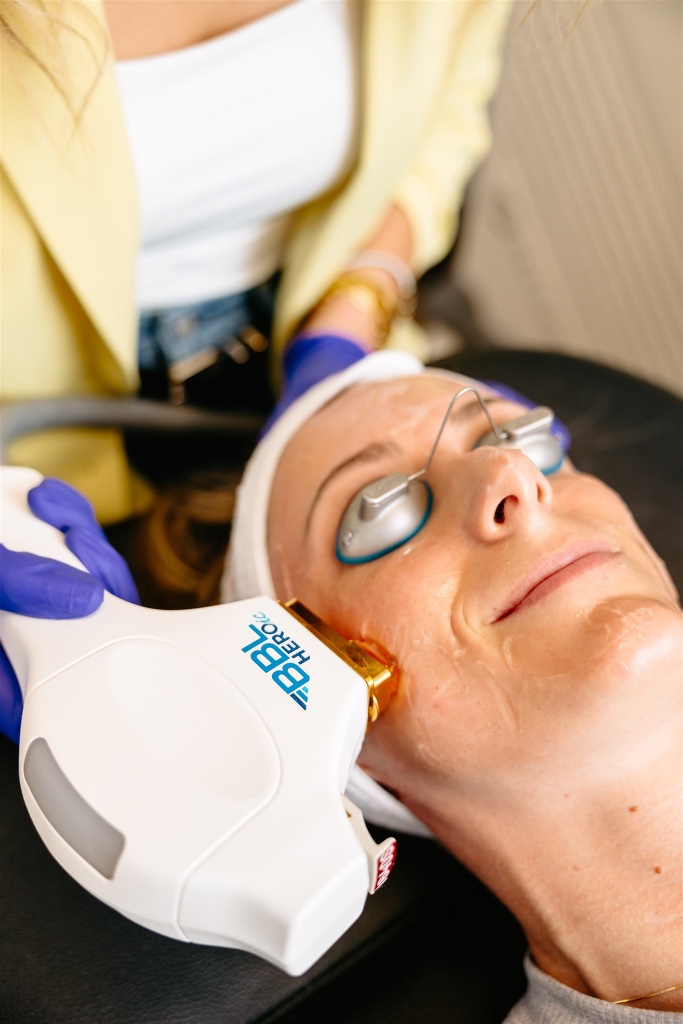
Pigment, texture, and fine lines often arrive together — and a plan that addresses them together often creates the most natural-looking improvement.
Section 04
Why some wrinkle concerns need
something else entirely.
Not every wrinkle concern fits a laser conversation. This is one of the most important things to understand — and it is the thing that most device-focused marketing leaves out. A laser is one category of treatment. It is excellent for certain concerns and not the right tool for others.
Some patients may need tightening. When the concern is laxity, creeping, or looseness rather than surface lines, the issue lives in deeper tissue behavior — not in the skin surface. Surface renewal alone will not address laxity, and treating it aggressively may be unnecessary or counterproductive. Tightening technologies like Ultherapy address the deeper conversation. For a full breakdown, see our guide on face tightening vs skin resurfacing.
Some may need neuromodulators, injectables, or facial support. When wrinkles are related to repetitive muscle movement — like frown lines, crow’s feet, or forehead lines — or to volume loss and structural changes, the conversation is about support, not surface. Neuromodulators relax the movement that creates expression lines. Dermal fillers and biostimulatory injectables restore volume and structural framework. These are fundamentally different tools from resurfacing, and they address concerns that lasers cannot.
Some may benefit from resurfacing or regenerative skin-renewal planning. When the concern is genuinely about surface texture, fine lines, and skin quality, resurfacing lasers or renewal treatments may be the right path. This is where the laser conversation lives — and where picosecond technology may, for select patients, play a supporting role.
Some need a combination. Most real patients have a blend of these concerns. A thoughtful plan sequences the right treatments in the right order — surface renewal, structural support, and possibly tightening — rather than doing everything at once or defaulting to whichever device is most marketed. This is why consultation matters more than choosing a trendy device name.
Different concerns, different routes
Why not every wrinkle points to the same treatment
The right category of treatment depends on what kind of change is driving the concern. Matching the route to the concern — not the device to the marketing — is what creates natural-looking results.
Surface renewal
For fine lines, texture, and skin-quality concerns — resurfacing and renewal treatments that improve the surface and support collagen production over time. This is where laser conversations often begin.
Structural support
For deeper wrinkles, volume loss, or folds related to underlying support — neuromodulators, dermal fillers, or biostimulatory injectables that restore framework rather than resurfacing the surface.
Tightening
For laxity, creeping skin, or concerns related to skin looseness rather than surface texture — energy-based tightening technologies that address deeper tissue behavior, not the outermost layer.
Combination planning
For most real patients — a layered plan that addresses surface renewal, support, and possibly tightening together. The most natural-looking results often come from understanding which combination fits the individual.
Most real patients need a combination of these routes, sequenced thoughtfully. The most natural-looking results come from understanding which combination fits the individual — not from applying a single tool to every concern.
Section 05
Amy Robbins on fine lines and
what she wants patients to understand first.
Wrinkles are not one single category. I want patients to hear that clearly, because most of the marketing they encounter treats them as if they are. A fine line from early sun damage, a deep fold from volume loss, and a crease from twenty years of facial expression are three very different concerns — and they deserve three very different conversations.
The smartest treatment plan depends on what the skin is actually showing. Some patients need surface renewal — and they may see remarkable improvement from resurfacing or renewal treatments that improve texture and tone. Some patients need support — and they benefit far more from injectables that restore structure than from any laser. And many patients need a layered plan that sequences these thoughtfully over time.
What I often see is a patient who has been told they need a specific laser for their wrinkles — when what they actually need is a different category of treatment entirely. Or a patient who has been chasing individual lines when what they really need is a broader skin-quality conversation that addresses pigment, texture, and tone together. The most natural-looking results almost always come from matching the treatment to the type of aging — not just the label.
Advanced technology matters most when it is matched thoughtfully to the concern. A picosecond platform, a resurfacing laser, a neuromodulator, a tightening device — each is a powerful tool in the right hands and the right context. None of them is the right answer for every patient. The art is in knowing which tool fits which concern — and in being honest when a tool does not fit at all.
“When patients ask whether a laser can help fine lines and wrinkles, my first question is always what kind of change we’re actually seeing. Better outcomes come from matching the treatment to the type of aging, not just the label.”
Amy Robbins
MSNA · APRN · CRNA · FNP-BC · Founder, Youthful Magnolia
Section 06
When advanced picosecond technology
may enter the conversation.
For select patients, advanced picosecond technology may become part of the skin-renewal conversation — particularly when early fine lines overlap with pigment and texture concerns, and when the patient is seeking a treatment that may support surface renewal with potentially less downtime than more aggressive resurfacing.
Newer pigment- and texture-focused platforms may broaden options for patients with early fine lines and skin-quality concerns. Picosecond technology’s photoacoustic effect — delivering energy in trillionths-of-a-second pulses — may support collagen stimulation and surface-quality improvement alongside its pigment-targeting capabilities. For patients whose concerns span pigment, texture, and early lines, this overlap may make it a relevant part of the discussion.
However, not every patient is a candidate for that kind of treatment. A patient whose primary concern is a deep expression-related fold may be better served by a neuromodulator. A patient whose primary concern is laxity may be better served by tightening. A patient whose primary concern is aggressive texture and acne scarring may be better served by a dedicated resurfacing laser. The technology is one option among several — not the default answer.
Consultation helps determine whether advanced device-based treatment is appropriate. Platforms like Picofy by InMode represent the kind of advanced picosecond technology that may enter the skin-renewal conversation for select patients — but the decision begins with understanding what kind of change the skin is showing. For a comparison of approaches, see our guide on picosecond laser vs chemical peel.
Technology, in context
Advanced picosecond platforms are one tool in a broader skin-renewal toolkit — not a replacement for resurfacing, tightening, or injectables. Their value is realized when matched to the right concern by a provider who understands what kind of aging is actually present. Learn more about Picofy by InMode →
Section 07
What a consultation at
Youthful Magnolia may include.
A skin-renewal consultation is not a device pitch. It is a diagnostic conversation about what kind of change your skin is showing and what category of treatment may actually fit.
Skin and texture assessment
Direct, in-person evaluation to identify what kind of change is present — fine lines, deeper wrinkles, texture, pigment, laxity, or a combination. This is the foundation: the plan follows from what the skin is actually showing.
Discussion of pigment, fine lines, wrinkles, and tone
Honest conversation about which concerns are present, how they overlap, and which are driving the overall impression of aging. Not every concern needs to be treated — some are more impactful than others.
Review of goals and downtime tolerance
What do you want to see change? How much downtime can you accommodate? These practical questions shape which treatment category is realistic for your life, not just your skin.
Whether the concern fits renewal, resurfacing, tightening, injectables, or a combination
Based on the assessment, the consultation should address which treatment category makes sense — surface renewal, structural support, tightening, or a layered combination — and why. This is the core of the conversation.
Realistic expectations and phased planning
Honest discussion of what treatment may achieve, how the skin may respond, what maintenance may be needed, and how the plan may unfold over time. A responsible plan is phased — it sequences treatments logically rather than doing everything at once.
Section 08
Why Fort Worth patients
choose Youthful Magnolia.
Fort Worth patients choose Youthful Magnolia because we approach skin renewal differently. We do not treat every fine line as a wrinkle, and we do not treat every wrinkle as a laser candidate. We start with understanding what kind of change the skin is actually showing — and we build a plan that matches it.
Amy Robbins built Youthful Magnolia on a simple principle: that advanced technology is only as good as the thinking behind it. In skin renewal — where the wrong approach can waste time, create unnecessary downtime, or simply not address the real concern — that principle matters profoundly. The right category of treatment, matched to the right concern, is what creates natural-looking results.
Our patients value the experience as much as the outcomes: a calm, unhurried environment where questions are welcomed, expectations are set honestly, and the focus is always on thoughtful, strategic results. We do not chase trends. We do not overpromise. We build plans that are designed to produce real, sustainable improvement — and we approach fine lines and skin renewal with the same restraint, precision, and customization that guides everything we do.
If you are in Fort Worth and noticing fine lines, texture changes, or early signs of skin aging — and you want to understand what kind of treatment category actually makes sense — we welcome you to begin with a consultation at Youthful Magnolia.
Realistic framing for fine line and wrinkle treatment
Early fine lines with pigment and texture overlap
Skin-renewal conversation
When early lines sit alongside uneven tone and roughness, a surface-renewal plan that addresses multiple components may create the most visible improvement.
Deeper wrinkles with volume or support changes
Support conversation
When wrinkles relate more to structural changes than surface texture, injectables or biostimulatory support may be more appropriate than resurfacing alone.
Laxity or creeping without prominent surface lines
Tightening conversation
When the concern is looseness rather than lines, tightening technologies address deeper tissue behavior — a different conversation from surface renewal.
Multiple concerns layered together
Combination planning
Most real patients fall here — a phased plan that sequences surface renewal, support, and possibly tightening in the right order for the individual.
These frameworks are directional only — individual results vary. No plan without direct, in-person evaluation is reliable.
Common Questions
Fine lines, wrinkles, and
skin renewal questions.
Can a picosecond laser help fine lines?
Can a picosecond laser help wrinkles?
Is a picosecond laser a wrinkle treatment?
What is the difference between wrinkles and texture?
Do pigment and fine lines overlap?
Is laser always the best treatment for wrinkles?
When do advanced picosecond lasers enter the conversation?
What should a wrinkle consultation include?
How do I know if I need resurfacing, tightening, or injectables?
Where can I discuss laser skin renewal in Fort Worth?
Related Services
Picofy by InMode
An advanced picosecond laser platform for pigment and skin renewal — one of the technologies that may enter the conversation for select patients with overlapping concerns.
Laser Treatments
Our full advanced laser platform — the foundation of light-based skin renewal and resurfacing at Youthful Magnolia.
HALO
A hybrid fractional laser for resurfacing, texture, and skin-quality renewal — often part of the conversation when fine lines overlap with surface concerns.
Sciton TriBrid
An advanced triple-wavelength resurfacing platform for patients seeking comprehensive skin renewal.
MOXI
A gentle fractional laser for preventative skin renewal and maintenance — valuable for early fine lines and texture.
Ultherapy
Ultrasound-based tightening for patients whose concerns relate more to laxity than surface lines — a different conversation from resurfacing.
Injectables
Neuromodulators, dermal fillers, and biostimulatory injectables for structural support — when wrinkles need framework, not just surface renewal.
Book a Consultation
Begin the conversation. A skin-renewal consultation is always the right first step toward a precise plan.
Your Provider
Amy
Robbins
MSNA · APRN · CRNA · FNP-BC
Begin the ConversationThe best skin-renewal results come from understanding what kind of change the skin is showing — and matching the treatment to that change. A laser is not always the answer. Sometimes the most powerful thing is knowing when it is not.
— Amy Robbins, Founder · Youthful Magnolia
Youthful Magnolia · Fort Worth, TX
Ready for a more thoughtful
skin-renewal conversation?
If you’re noticing fine lines, texture, or early signs of skin aging and want to understand what kind of treatment category actually makes sense, our team can help you build a more intelligent plan.