
Picosecond Laser vs Chemical Peel for Pigment in Fort Worth: Which Makes More Sense?
A modern Fort Worth guide to understanding when a picosecond-laser conversation may make more sense than a chemical peel conversation for pigment concerns, uneven tone, and discoloration.
 By Amy Robbins, MSNA APRN CRNA FNP-BC 15 min read June 2026Treatment Planning
When it comes to pigment, patients often assume the question is simply "peel or laser?" In reality, the better question is: what kind of pigment, at what depth, on what skin, and for what goal?
If you are searching for "picosecond laser vs chemical peel" in Fort Worth, you are likely trying to decide between two very different approaches to pigment correction. Both can help — but they work through fundamentally different mechanisms, reach different depths, and suit different pigment profiles. Choosing between them is not about which technology is newer or more marketed. It is about which approach fits your specific skin and your specific concern.
A chemical peel works from the outside in — encouraging exfoliation and surface renewal. A picosecond laser delivers targeted light energy to pigment particles wherever they sit in the skin. These are not interchangeable treatments. Surface sun damage may respond beautifully to a peel. Deeper, stubborn, or layered pigment may require a different conversation entirely.
The most important thing to understand before choosing is this: not all pigment is the same. Melasma, post-inflammatory hyperpigmentation, sun-related discoloration, and benign pigmented lesions each behave differently — and a treatment that helps one may be inappropriate, or even counterproductive, for another. That is why treatment planning matters more than treatment hype, and why the right starting point is a consultation, not a device.
At Youthful Magnolia in Fort Worth, Amy Robbins approaches pigment correction with a diagnostic-first philosophy: understand the pigment, understand the skin, and build a plan that makes sense for the person in front of us — not for a generic protocol.
Section 01
What a chemical peel
may help with.
A chemical peel applies a controlled acid solution to the skin to encourage exfoliation and cellular turnover. For pigment concerns, this means helping to shed pigmented surface cells and supporting fresher, more even-toned skin underneath. The mechanism is surface-driven: the peel acts on the outer layers of the skin, and the body's natural renewal process does the rest.
Peels are generally well-suited to superficial concerns — surface sun damage, mild uneven tone, dullness, and rough texture. They are accessible, often lower-cost, and can be calibrated to different depths depending on the formula and the goal. A light peel may involve minimal social downtime; a medium-depth peel may involve several days of visible peeling.
What peels do best is improve the quality and tone of the surface skin. For patients whose pigment sits primarily in the upper layers, a peel may be a strong and sensible starting point. For patients whose pigment is deeper, more stubborn, or more complex — such as melasma or layered post-inflammatory discoloration — a peel alone may not be enough, and a different conversation may be needed.
Peels also have a valuable role in maintenance. Even when a more advanced treatment is part of the plan, periodic light peels can support ongoing skin health and help sustain results over time. For a closer look at one modern peel option, see our guide on BioRePeel.
Surface-level pigment
May help address superficial sun damage, mild uneven tone, and post-inflammatory surface discoloration when the pigment sits near the top of the skin.
Skin texture and glow
Peels encourage exfoliation, which can improve smoothness, dullness, and a rough surface — often enhancing the way light reflects off the skin.
Accessible entry point
Peels are often lower-downtime and lower-cost, making them a reasonable starting conversation for patients new to pigment correction.
Supports a maintenance plan
Periodic light or medium peels can be part of an ongoing skin-health strategy layered alongside broader correction.
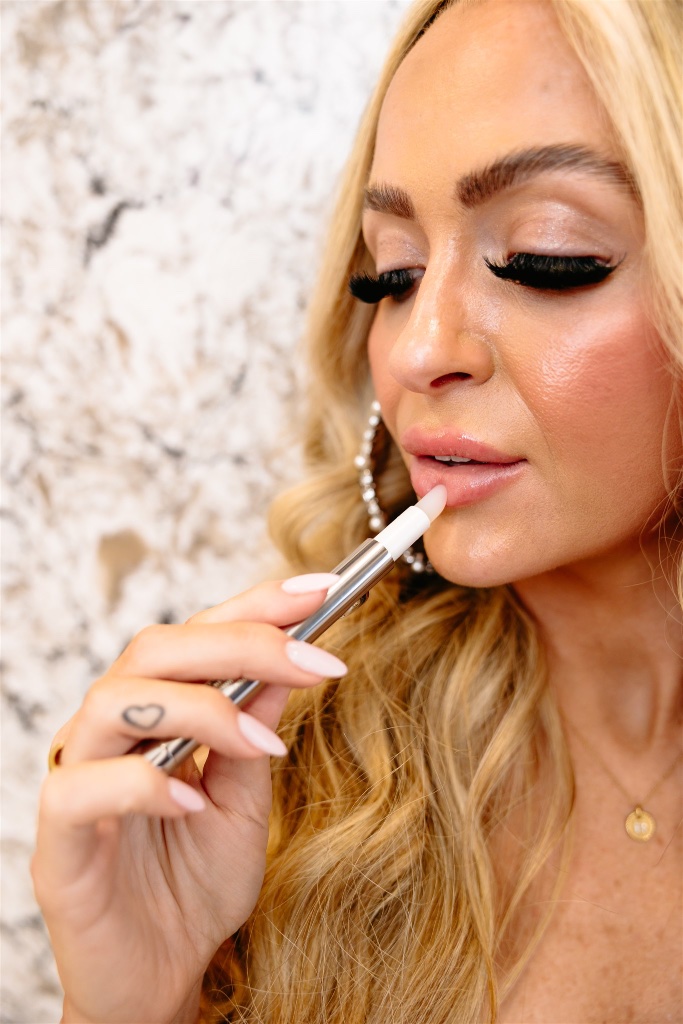
A chemical peel works from the outside in — encouraging surface renewal and more even tone. Its strength is its accessibility and its role in ongoing skin health.
Section 02
What a picosecond laser
may help with.
A picosecond laser delivers ultra-short pulses of light energy — measured in picoseconds, or trillionths of a second — that are absorbed by pigment particles in the skin. When the pigment absorbs this energy, it fragments into much smaller particles that the body's immune system then recognizes and gradually clears. The mechanism is fundamentally different from a chemical peel: rather than exfoliating the surface, a picosecond laser delivers targeted energy to pigment wherever it sits.
This targeted, depth-independent approach may broaden treatment pathways for pigment that surface approaches have not fully addressed. Deeper sun-related discoloration, stubborn post-inflammatory hyperpigmentation, and certain benign pigmented lesions may respond differently to focused laser energy than to a broad chemical exfoliation. For some patients, a picosecond conversation opens a path that peels alone could not.
It is important to understand what a picosecond laser is — and what it is not. It is a precision tool, not a universal solution. Its value is realized when it is matched thoughtfully to the right pigment, the right skin type, and the right patient. Applied with poor parameters, even the most advanced laser produces poor results. Applied with expertise, it may be exactly the right tool for a specific concern.
Some picosecond platforms also support broader skin revitalization — collagen renewal, texture improvement, and overall tone refinement — not just pigment targeting. This means the conversation may extend beyond "will it help my pigment?" to "how does it fit into my broader skin-quality goals?" Platforms like Picofy by InMode represent the kind of advanced picosecond technology that may enter that conversation.
Deeper pigment concerns
Picosecond-style platforms deliver ultra-short pulses that may reach pigment positioned deeper in the skin than a surface peel can typically address.
Targeted energy delivery
Rather than a blanket exfoliation, a picosecond laser delivers focused energy to pigment particles — a fundamentally different mechanism than chemical exfoliation.
Stubborn or layered pigment
For pigment that has not responded fully to peels or topical care, a picosecond conversation may open a different treatment pathway.
Broader revitalization
Some picosecond platforms also support collagen renewal and skin-quality improvement, not just pigment targeting — which can matter for overall tone and texture.
Section 03
Why not all pigment
is the same.
The single most important concept in pigment treatment — and the one most often overlooked — is that not all pigment is created equal. The word "pigment" is used to describe a wide range of concerns that look similar to the eye but behave very differently in the skin. Treating them all the same way is one of the most common mistakes in aesthetic medicine.
Sun-related discoloration — sun spots, freckling, and general uneven tone from cumulative UV exposure — often sits in the upper layers of the skin and may respond well to peels. Deeper or more stubborn sun damage may benefit from the targeted energy of a picosecond laser. For a deeper guide, see our article on the best laser for sun damage in Fort Worth.
Post-inflammatory hyperpigmentation — discoloration that appears after acne, irritation, or skin injury — is reactive. The skin is already inflamed, and aggressive treatment can potentially worsen it rather than help it. Both peels and lasers require genuine caution here, and the choice depends on the specific character of the pigmentation and how the skin is healing.
Melasma is perhaps the most complex pigment concern in aesthetic medicine. It is often driven by hormones, sun exposure, and inflammation — and heat or irritation can potentially worsen it. Neither a peel nor a laser is universally appropriate for melasma. Any approach must be considered with restraint, and the treatment plan must account for the possibility that the wrong approach could make it darker. For more on this, see our guide on melasma and stubborn pigment in Fort Worth.
Benign pigmented lesions — discrete spots or areas of concentrated pigment — may be better suited to the focused energy of a picosecond platform than to a broad chemical exfoliation. The precision of targeted light energy may reach pigment that a surface peel cannot.
This is why consultation matters before any treatment begins. Understanding the type of pigment you have — and how it is likely to respond to different approaches — is the foundation of an honest, effective plan.
Pigment type comparison
How different pigment concerns may fit each approach
Directional only — not a guarantee of your outcome. Every pigment concern must be assessed in person before a treatment plan is built.
Sun-related discoloration
Peel: Often suitable
Laser: May also fit
Surface sun spots often respond well to peels; a picosecond laser may enter the conversation when pigment is deeper or more stubborn.
Post-inflammatory hyperpigmentation
Peel: Sometimes appropriate
Laser: Proceed with care
Both approaches require caution — the skin is already reactive. Provider assessment is essential before choosing either path.
Melasma
Peel: Requires careful planning
Laser: Requires careful planning
Melasma is notoriously complex — heat and inflammation can worsen it. Neither peels nor lasers are universally appropriate without a thoughtful plan.
Benign pigmented lesions
Peel: Less targeted
Laser: Often more suitable
Discrete benign lesions may be better suited to the focused energy of a picosecond platform than to a broad chemical exfoliation.
Uneven overall tone
Peel: Strong fit
Laser: May complement
Generalized dullness and uneven tone often respond well to peels; a laser may complement rather than replace this approach.
Section 04
Amy Robbins on pigment planning —
what she wants patients to understand first.
Pigment correction should be approached with diagnosis, not impulse. The patients who have the best experiences are the ones who started by understanding what kind of pigment they actually have — not which treatment sounded the most impressive. Better understanding creates better plans, and better plans create better outcomes.
Not every pigment concern responds to the same approach. Surface sun damage is a very different conversation from melasma, which is a very different conversation from post-inflammatory hyperpigmentation. The pigment looks similar in the mirror, but it behaves differently in the skin. Any consultation that treats all pigment as interchangeable is not giving you accurate information.
Advanced technology matters most when it is matched thoughtfully to the pigment and the patient. A picosecond laser is a powerful tool — but its value is realized only when it is used at the right time, on the right pigment, with the right parameters, by a provider who understands skin biology and pigment safety. Technology without judgment produces unpredictable results.
The best consultation is honest, specific, and individualized. It starts with your specific pigment — not with which device is newest or most marketed. It includes a realistic discussion of what each approach can and cannot do, an honest assessment of what is achievable, and a plan that accounts for your skin, your biology, and your goals. That kind of consultation is exactly what we offer at Youthful Magnolia.
“Pigment is not one conversation. It is many different conversations depending on what kind of pigment you have, where it sits in the skin, and how your skin responds. The best starting point is clarity, not assumptions.”
Amy Robbins
MSNA · APRN · CRNA · FNP-BC · Founder, Youthful Magnolia
Section 05
When a chemical peel
may make more sense.
A chemical peel may be the more sensible starting point when the pigment is primarily superficial and the goal is broader skin-quality improvement alongside tone correction. If the discoloration sits in the upper layers of the skin — as is often the case with general sun damage and mild uneven tone — a peel may address it effectively while also improving texture, dullness, and overall radiance.
Peels are also a strong fit for patients who are new to pigment correction and want an accessible, lower-downtime entry point. A light peel series can produce meaningful improvement in surface tone without the investment or recovery associated with more advanced laser treatment. For many patients, this is exactly the right place to start.
A peel may also make more sense as part of a maintenance strategy. Even when a more advanced treatment like a picosecond laser is part of the overall plan, periodic light peels can support ongoing skin health, sustain results, and keep the skin surface refined. The two approaches are not mutually exclusive — they often work best when layered thoughtfully over time.
Finally, for patients whose primary concern is overall glow, smoothness, and skin quality rather than a specific stubborn patch of pigment, a peel may be the more proportionate response. Not every pigment concern requires the most advanced technology. Sometimes the simpler, more accessible approach is the right one. For a starting point, see our customized facial options.
Section 06
When a picosecond-laser conversation
may make more sense.
A picosecond-laser conversation may make more sense when the pigment is deeper, more stubborn, or more discrete than a surface peel can effectively address. If pigment has not responded fully to peels or topical care — or if the concern is a specific lesion or area of concentrated discoloration — the targeted energy of a picosecond platform may open a different treatment pathway.
Picosecond technology may also be the more appropriate conversation when the goal is not just pigment correction but broader skin revitalization. Some platforms support collagen renewal and texture improvement alongside pigment targeting, which means the treatment may address multiple concerns in a single approach. For patients whose goals extend beyond surface tone to overall skin quality, this can matter.
For certain benign pigmented lesions, the focused energy of a picosecond laser may be more suitable than a broad chemical exfoliation. The precision of targeted light energy can reach pigment that a surface peel cannot — and the mechanism is fundamentally different, which means it may succeed where a peel has reached its limits.
It is worth repeating: advanced technology is not a guarantee of better outcomes for every pigment concern. A picosecond platform applied with poor parameters produces poor results — just as a well-chosen peel applied with expertise can produce excellent results. The value of advanced technology is realized when it is matched to a specific pigment profile by a provider who understands skin biology, pigment safety, and realistic treatment sequencing. Consultation helps determine whether a picosecond-laser conversation is appropriate for your specific pigment — and platforms like Picofy by InMode represent the kind of advanced technology that may enter that conversation.

A picosecond laser delivers targeted energy to pigment particles — a fundamentally different mechanism than a surface peel. The right choice depends on where the pigment sits and how the skin responds.
Section 07
What a pigment-treatment
consultation should include.
Before any pigment treatment begins — whether a peel or a laser — the consultation should cover all of the following. If it does not, ask why.
Direct visual assessment of the pigment
The provider should examine your pigment in person — evaluating its type, apparent depth, distribution, and character. A consultation conducted from a photo alone is insufficient for pigment planning.
Pigment type identification
The consultation should address what kind of pigment you have — sun-related, post-inflammatory, melasma, benign lesion, or generalized uneven tone — because each behaves differently and may require a different approach.
Fitzpatrick skin type classification
Your skin tone must be formally assessed — not estimated — before any pigment treatment plan is developed. Treatment parameters must be calibrated to your Fitzpatrick type to minimize the risk of post-inflammatory pigmentation changes.
Goals: correction vs. maintenance
The consultation should clarify whether your goal is active correction of a specific concern, overall tone improvement, or long-term maintenance. Different goals may point toward different approaches.
Realistic expectations
The provider should tell you what outcomes are realistic for your specific pigment — including what each approach can and cannot do, estimated session counts, and how the plan may evolve over time.
Whether a peel, a laser, or both may fit
The consultation should explain which approach — or combination of approaches — makes sense for your specific pigment and why. For stubborn or deeper pigment, advanced technology like a picosecond platform may broaden treatment pathways.
Personalized planning and sequencing
A responsible plan includes treatment sequencing, spacing rationale, aftercare guidance, sun-protection strategy, and discussion of lifestyle factors that influence outcomes. The plan should also address what happens if the pigment responds differently than anticipated.
Side-by-side comparison
Chemical peel vs picosecond laser at a glance
Mechanism
Chemical exfoliation of the surface skin
Targeted light energy that fragments pigment particles
Depth of action
Primarily superficial; medium peels go deeper
Can address pigment at multiple depths
Downtime range
Light: minimal · Medium: several days
Varies by settings — often minimal to moderate
Best for
Surface pigment, texture, glow
Stubborn or deeper pigment, targeted correction
Approach to melasma
Possible with restraint
Possible with restraint
Session count
Often a series of 3–6
Often a series of 3–5+
Customization
Depth and formula can be adjusted
Wavelength, energy, and spot size are calibrated
Cost range
Generally lower per session
Generally higher per session
Common Questions
Peel vs picosecond laser —
answered honestly.
Is a picosecond laser better than a chemical peel for pigment?
What does a chemical peel do for pigment?
How does a picosecond laser treat pigment differently?
Can melasma be treated with a peel or a picosecond laser?
How many sessions will I need for pigment correction?
Is a chemical peel or a picosecond laser better for sun damage?
What is the downtime difference between a peel and a picosecond laser?
Can I combine a chemical peel with a picosecond laser?
Are picosecond lasers safe for all skin tones?
Where can I get pigment treatment in Fort Worth?
Related Services
Picofy by InMode
An advanced picosecond laser platform for pigment, tattoos, and skin renewal — one of the tools that may enter the conversation for targeted pigment correction.
Laser Treatments
Our full advanced laser platform — the foundation of light-based skin treatment at Youthful Magnolia.
BioRePeel
A modern chemical peel option that may fit surface-level pigment and skin-quality goals.
Customized Facial
Personalized skin treatment that may complement a broader pigment-correction plan.
Facials & Skin
Comprehensive skin-health treatments to support tone, texture, and barrier function.
Book a Consultation
Begin the conversation. A pigment-treatment consultation is always the right first step toward a realistic plan.
Related Articles
Your Provider
Amy
Robbins
MSNA · APRN · CRNA · FNP-BC
Begin the ConversationThe right pigment plan is not about choosing the most advanced technology — it is about understanding what kind of pigment you have and matching the right approach to it. That is where real results begin.
— Amy Robbins, Founder · Youthful Magnolia
Youthful Magnolia · Fort Worth, TX
Ready for a more informed
pigment-treatment conversation?
If you are exploring pigment treatment in Fort Worth, our team can help you understand what kind of pigment you have, whether a peel or a picosecond laser may fit, and what a realistic plan may look like.