
Best Laser Conversation for Melasma and Stubborn Pigment in Fort Worth: Why Treatment Has to Be Smarter Than “Just a Laser”
A medically grounded, restraint-first guide to understanding why melasma and stubborn pigment require a more nuanced plan than aggressive laser treatment — and how Youthful Magnolia approaches discoloration with skin intelligence and long-term strategy.
 Amy Robbins, MSNA APRN CRNA FNP-BC 16 min read June 2026Laser & Light
Pigment is one of the areas where aggressive treatment most often produces the opposite of what patients are hoping for.
Patients come in asking for "the strongest laser" for their discoloration, assuming that more energy and a more aggressive device will produce faster, more complete clearing. For many pigment concerns, that logic is sound. For melasma and stubborn pigment, it is often the exact wrong approach — and pursuing it can make the pigment darker, more widespread, and more difficult to manage.
The reason is biological. Melasma is not simply pigment sitting on the skin waiting to be removed. It is a chronic, hormonally influenced condition in which the pigment-producing cells are overactive and easily triggered by inflammation, heat, and UV exposure. When an aggressive laser delivers thermal energy to that already-reactive skin, the inflammation it causes can stimulate the pigment cells to produce more pigment — a phenomenon called post-inflammatory hyperpigmentation. The treatment itself causes the condition to worsen.
At Youthful Magnolia in Fort Worth, we approach pigment with restraint, accurate diagnosis, and long-term strategy. This article explains what melasma actually is, why it requires a fundamentally different treatment philosophy than other pigment concerns, and how a thoughtful plan produces better results than chasing the strongest device available.
Section 01
What melasma
actually is.
Melasma is a chronic pigmentary condition characterized by symmetrical, patchy brown or gray-brown discoloration — most commonly appearing on the cheeks, forehead, upper lip, and jawline. It is one of the most common pigment concerns that brings patients to aesthetic consultation, and one of the most frequently mismanaged.
The pigment in melasma is produced by melanocytes — the pigment-producing cells in the skin — that have become overactive and are producing excess melanin in response to triggers. The key triggers are well understood: UV exposure, visible light, hormonal fluctuations (pregnancy, oral contraceptives, hormone therapy), genetic predisposition, and inflammation. In many patients, multiple triggers are operating simultaneously, which is part of what makes melasma so persistent.
Melasma pigment can be located in the epidermis (the surface layer of the skin, where it is more accessible to treatment) or in the dermis (the deeper layer, where it is significantly more difficult to treat). Many patients have a mixed pattern — some pigment in each layer. The location of the pigment is one of the key factors that determines what treatment approach is appropriate, and it is one of the things evaluated during consultation.
What distinguishes melasma from other pigment concerns is not just how it looks — it is the underlying biology. Sun damage, lentigines, and post-inflammatory pigmentation are pigment that has already been produced and deposited. Melasma is an active, ongoing process in which pigment production is continuously stimulated by triggers. You are not removing static pigment — you are managing an overactive biological process. That distinction changes everything about how treatment should be approached.
The Pigment-Planning Visual
Epidermal
Surface layer
Pigment in the upper layer of the skin — more accessible to treatment, generally more responsive. Many melasma presentations have an epidermal component.
Dermal
Deep layer
Pigment deposited in the dermis — significantly harder to treat, less responsive to light-based treatment, often requires longer-term management.
Mixed
Both layers
Pigment in both epidermis and dermis — the most common and most complex presentation. Treatment must address both layers and manage ongoing production.
Section 02
Why melasma is different from
other pigment issues.
Patients (and many providers) often treat all pigment concerns as if they are the same problem requiring the same solution. They are not — and understanding the differences is the foundation of a treatment plan that actually works.
Myth
Melasma is just sun damage with a different name
Reality
Melasma is a distinct pigmentary condition — hormonally influenced and often driven by internal triggers, not just UV exposure. Sun damage and melasma require different treatment logic because they have different biological drivers, even when they look superficially similar.
Myth
A stronger laser will clear melasma faster
Reality
Aggressive energy-based treatment of melasma frequently triggers post-inflammatory hyperpigmentation — the laser itself causes the pigment to darken. More energy is not better for melasma. The right approach is often conservative, layered, and patient.
Myth
Melasma can be permanently cured
Reality
Melasma is a chronic condition that can be significantly improved and managed — but not permanently cured in most cases. Successful treatment produces meaningful, visible lightening, but ongoing maintenance and trigger management are required to sustain results.
Myth
Any laser that treats pigmentation can treat melasma
Reality
Many pigment-targeting lasers are appropriate for sun damage, lentigines, or post-inflammatory pigment — but are not appropriate for melasma, or require very specific, conservative parameters when they are. The diagnosis must precede the device selection.
Myth
Topical treatments do not work for real melasma
Reality
Topical therapy — including prescription-grade hydroquinone alternatives, retinoids, and pigment-suppressing agents — is often the foundational treatment for melasma. Procedural treatments support and accelerate topical results, but rarely replace them as the primary intervention.
Myth
If pigment returns, the treatment failed
Reality
Melasma recurrence is expected — not a failure of treatment. The condition is influenced by hormones, UV, and inflammation. A successful treatment plan includes a maintenance strategy that anticipates recurrence and addresses it promptly.
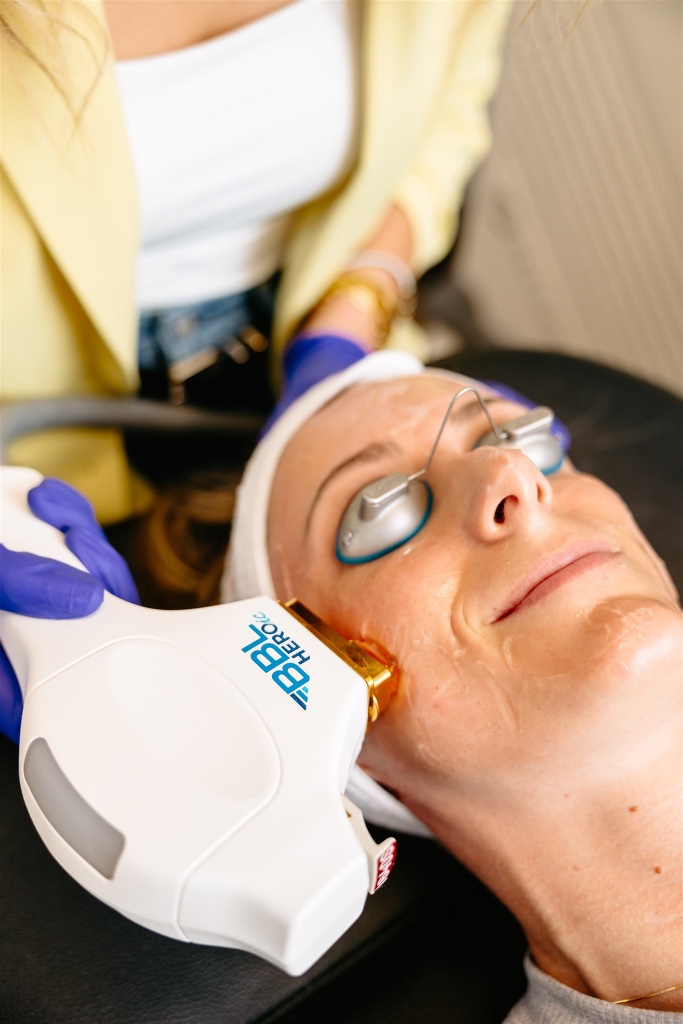
Melasma is an active biological process — not static pigment waiting to be removed. The treatment philosophy must match the biology.
Section 03
Why treatment has to be smarter
than “just a laser.”
The treatment categories that may fit into a melasma plan — and why none of them is a standalone solution.
Topical pigment management
Best for
All melasma patients — foundational layer
Prescription-grade pigment-suppressing topical agents — including hydroquinone alternatives, retinoids, vitamin C, and pigment-inhibiting compounds — form the foundation of melasma treatment. These address the biological production of pigment at the source, rather than trying to remove existing pigment with energy. No procedural treatment for melasma works optimally without a supporting topical regimen beneath it.
Foundation — not optional. The most important layer for long-term melasma management.
Photoprotection and trigger management
Daily broad-spectrum SPF, visible-light protection (tinted SPF for some patients), and management of hormonal or inflammatory triggers. UV and visible light both stimulate melasma activity — meaning that sun protection is treatment, not just prevention. Patients who do not commit to daily photoprotection will not see sustained melasma improvement regardless of what procedural treatments are used.
Treatment, not prevention. Without this layer, other interventions produce temporary results at best.
Professional chemical peels — including BioRePeel and other targeted peel protocols — support surface pigment renewal and skin quality. Peels are generally conservative for melasma patients — selected carefully and applied at appropriate depths. They are a meaningful component of a layered plan, particularly for patients who also have post-inflammatory pigmentation, surface texture concerns, or overall uneven tone.
Conservative application — peel selection and depth must be appropriate for melasma-prone skin.
Certain light-based platforms — including low-fluence BBL and conservative non-ablative laser settings — may be appropriate for select melasma patients when used carefully and as part of a comprehensive plan. This is not a one-size-fits-all category. The specific device, the parameters, the patient's skin type, and the melasma pattern all determine whether light-based treatment is appropriate — and aggressive treatment is frequently inappropriate for melasma.
Selectively appropriate — the device, parameters, and patient must all be right.
Professional facial treatments support overall skin health, barrier function, and the quality of the skin that all other treatments are working within. For melasma patients — whose skin is often sensitive and reactive — maintaining skin barrier health is not a side concern. It is part of the treatment foundation.
Supportive layer — barrier health matters for pigment-prone skin.
Section 04
Amy Robbins on pigment —
what she always evaluates first.
Melasma is one of the areas where I see the most damage from well-intentioned but poorly-informed treatment. Patients who have been treated aggressively with lasers that were appropriate for sun damage — but inappropriate for melasma — arrive with pigment that is darker, more widespread, and more reactive than it was before they started. The treatment made the condition worse, not because the laser was bad, but because the wrong laser was chosen for the wrong condition.
The first thing I do in any pigment consultation is diagnose accurately. Is this melasma, or is this sun damage? Is this post-inflammatory hyperpigmentation, or is it a benign pigmented lesion? These are different conditions with different biological drivers — and they require fundamentally different treatment approaches. A patient who has been treating melasma with a sun-damage protocol is wasting their time, their money, and potentially worsening their condition.
The second thing I evaluate is the patient's daily photoprotection. If a patient is not committed to daily, broad-spectrum sun protection — including visible-light protection for some skin types — no procedural treatment will produce sustained results. Melasma is a condition that responds to light. If the light trigger is not managed, the pigment will return regardless of what we do in the treatment room. I am direct about this with patients: if sun protection is not part of your daily routine, melasma treatment is not a good investment.
What I want patients to understand: melasma treatment is a long-term partnership, not a single transaction. The most successful patients are the ones who commit to the full plan — topical management, photoprotection, conservative procedural support, and ongoing maintenance. The patients who are looking for a single laser to solve their pigment are almost always disappointed. The patients who understand melasma as a managed condition are the ones who see real, lasting improvement.
"Melasma rewards restraint and punishes aggression. The patient who understands this — and the provider who practices it — will see better long-term results than anyone chasing the strongest laser in the building."
Amy Robbins
MSNA · APRN · CRNA · FNP-BC · Founder, Youthful Magnolia
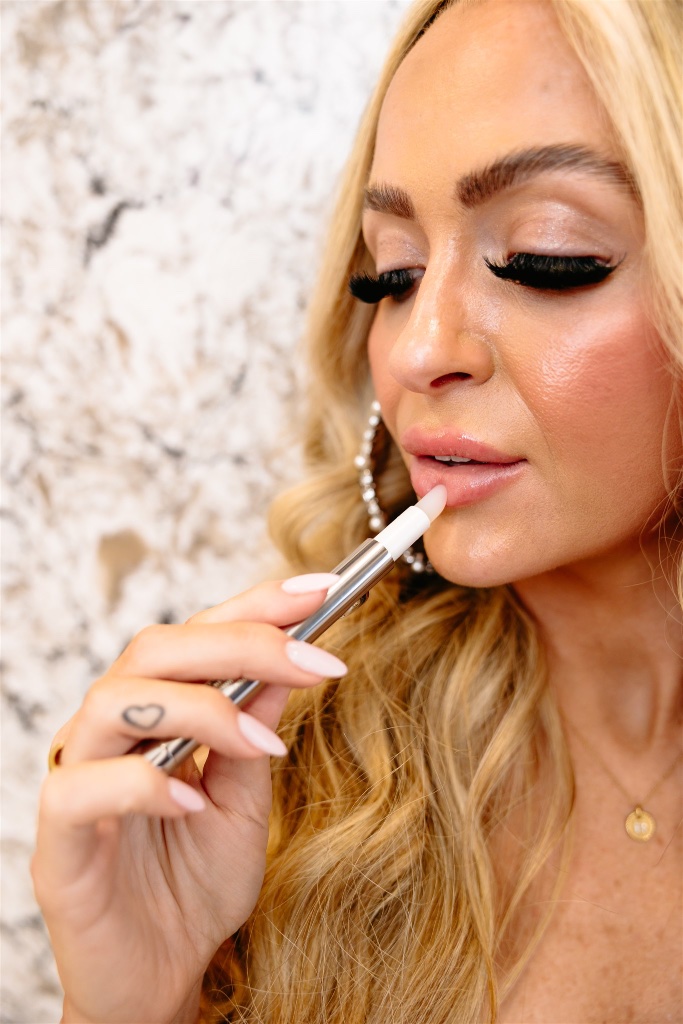
The most successful melasma patients treat the condition as a managed partnership — not a one-time correction.
Section 05
When advanced pigment-focused technologies
may enter the conversation.
For many melasma patients, the treatment categories described above — topical management, photoprotection, conservative chemical peels, and selectively appropriate light-based treatment — provide a comprehensive and effective pathway to meaningful improvement. These are the right tools for the right patients, and they should not be bypassed in favor of more aggressive technology simply because something more powerful exists.
However, there is a subset of patients — particularly those with stubborn dermal melasma, pigment that has been unresponsive to conservative approaches, or difficult discoloration patterns that require a more targeted approach — for whom the question of advanced pigment-specific technology is a legitimate one.
For select patients, advanced picosecond or pigment-focused technologies may become part of the conversation during consultation. Picosecond laser technology delivers energy in ultra-short pulses that fragment pigment particles through a photoacoustic mechanism rather than purely thermal energy — potentially offering a different approach for pigment that has not responded to other treatments. Newer pigment platforms may broaden options for difficult discoloration cases as the technology continues to evolve.
Consultation helps determine whether advanced pigment-specific technology is appropriate — and for most melasma patients, the answer remains the conservative, layered approach described above. The introduction of advanced technology does not change the fundamental principle that melasma requires restraint, accurate diagnosis, and long-term management. It simply adds another tool that may be appropriate for select presentations.
Section 06
What a consultation at Youthful Magnolia
may include.
Every pigment evaluation begins with accurate diagnosis — not with a device recommendation.
Accurate diagnosis — melasma vs other pigment
Amy distinguishes melasma from sun damage, post-inflammatory hyperpigmentation, and benign pigmented lesions — because each requires a fundamentally different treatment approach. A patient treating melasma with a sun-damage protocol is being mismanaged.
Pigment depth assessment
Epidermal, dermal, or mixed pigment pattern — evaluated through clinical assessment and, where appropriate, Wood's lamp examination. Pigment depth is a primary determinant of treatment approach and expected response.
Fitzpatrick skin type and safety assessment
Skin type determines which treatments are safe and at what parameters. Higher Fitzpatrick types carry higher risk of post-inflammatory hyperpigmentation — and require more conservative treatment approaches.
Trigger assessment
Hormonal factors, medication history, UV exposure patterns, and inflammatory triggers are evaluated. Addressing triggers is part of the treatment — not a separate concern.
Photoprotection evaluation
Current sun protection habits are assessed honestly. If daily broad-spectrum protection is not in place, that is addressed before any procedural treatment is considered.
Layered, long-term plan
The treatment plan addresses pigment production (topical management), existing pigment (conservative procedural support), and recurrence prevention (maintenance and trigger management). Melasma is a managed condition — the plan reflects that.
Amy evaluates every pigment patient personally — no delegated assessments
Accurate diagnosis before any treatment selection — melasma is not sun damage
Restraint-first approach — aggression is rarely appropriate for melasma
Topical management as the foundation — not an afterthought
Photoprotection as treatment, not just prevention
Honest about melasma as a chronic, managed condition
Treatment platform that continues to evolve for difficult pigment cases
Premium boutique experience in Fort Worth's most intentional aesthetics practice
Common Questions
Melasma and stubborn pigment —
answered honestly.
What is melasma?
Why is melasma so hard to treat?
What is the best laser for melasma in Fort Worth?
Can melasma be permanently cured?
Does hydroquinone work for melasma?
Will my melasma come back after treatment?
Is BBL safe for melasma?
What is the difference between melasma and sun damage?
Can pico laser treat melasma?
Where can I have melasma evaluated in Fort Worth?
Related Services
Facials & Skin
Professional skin treatments that support barrier health and overall skin quality for pigment-prone patients.
Laser Treatments
The full Sciton-based laser platform — including conservative options for select pigment patients.
MOXI
Gentle non-ablative laser that may support tone and early pigment in select patients.
BBL
BroadBand Light — carefully applied for appropriate pigment presentations, conservative for melasma-prone skin.
BioRePeel
Professional TCA peel for surface pigment renewal and post-inflammatory pigmentation support.
Customized Facial
Personalized skin health treatments supporting barrier function for pigment-prone skin.
Book a Consultation
A direct pigment evaluation by Amy Robbins — always the right first step.
Related Articles
Your Provider
Amy
Robbins
MSNA · APRN · CRNA · FNP-BC
Book a Consultation"Melasma is the condition where restraint is the treatment. The provider who understands this — and the patient who trusts it — will see results that no aggressive laser protocol can produce."
— Amy Robbins, Founder · Youthful Magnolia
Youthful Magnolia · Fort Worth, TX
Ready to approach your pigment
with the right strategy?
If melasma or stubborn pigment has not responded the way you hoped — or if previous treatment made it worse — an honest, restraint-first evaluation is the right starting point. Amy Robbins diagnoses accurately, plans conservatively, and treats pigment as the long-term managed condition it is.