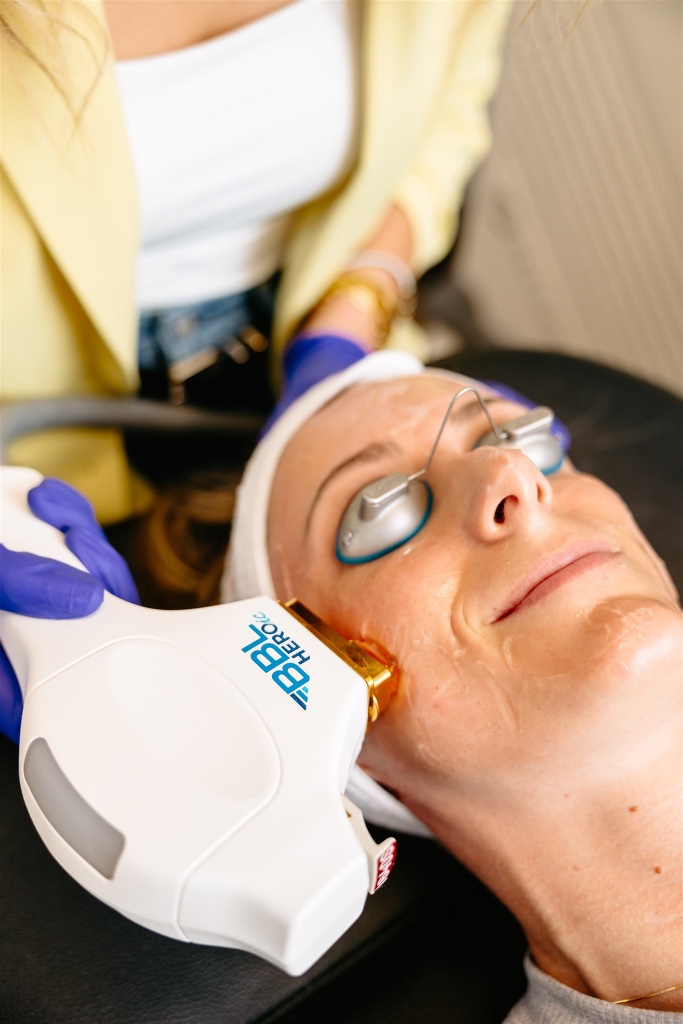
HALO® TRIBRID™ Downtime and Recovery: What to Expect After Treatment in Fort Worth
A modern Fort Worth guide to HALO TRIBRID healing, downtime expectations, aftercare, and how to plan your treatment around real life.
 Amy Robbins, MSNA APRN CRNA FNP-BC 15 min read June 2026Laser & Light
One of the first questions patients ask about advanced resurfacing is not only what it may improve — but what recovery looks like.
That is exactly the right question. The best resurfacing treatment is not simply the one with the most impressive outcome potential on paper. It is the one that fits the patient's goals, their skin, and their ability to manage the healing process in a way that is realistic, comfortable, and well-planned.
HALO TRIBRID is an advanced resurfacing conversation — and the recovery deserves equally thoughtful explanation. Patients who are unprepared for what healing may involve often have more difficult experiences than the treatment itself creates. Patients who understand the arc, have set aside the right recovery window, and have followed the right aftercare consistently tend to find the process manageable — and the results, when they arrive, more meaningful.
At Youthful Magnolia, we approach recovery the same way we approach treatment planning: with honesty, realistic expectations, and a genuine investment in each patient's experience from consultation through final result. This article is designed to give you the recovery context you deserve before you decide whether HALO TRIBRID is right for your skin and your life.
Section 01
What "downtime" really means
with HALO TRIBRID.
"Downtime" is one of the most overused and under-defined terms in aesthetics. When patients search for "HALO TRIBRID downtime," they are often looking for a single number — three days, five days, a week — that they can plug into their schedule. The reality is more nuanced, and understanding that nuance is what makes recovery planning actually useful.
Downtime from HALO TRIBRID is not a uniform experience. For some patients, it means several days of visible redness and mild swelling where they prefer to stay home or work remotely. For others, it means a week of skin that looks and feels like it is actively healing — textured, sensitive, and not quite ready for social situations that involve close scrutiny. For most, it falls somewhere in between, depending on treatment intensity, individual skin response, and how well aftercare is managed.
There are also two distinct types of downtime worth distinguishing:
Visible downtime
The period when the skin appears actively healing — redness, swelling, surface texture change. This is the window that most affects social and professional scheduling. It is real, it is visible, and it should be planned for honestly.
Social downtime
The period when a patient may feel comfortable returning to their normal routine, including public-facing situations, photography, or work environments that involve close interaction. This may extend slightly beyond the most visible healing phase.
Functional downtime
The period when certain activities — sun exposure, strenuous exercise, swimming, active skincare products — should be avoided. This may be the longest of the three categories and extends the aftercare window.
Result emergence timeline
The longer arc over which collagen remodeling and skin renewal produce the final improvements. This is not "downtime" in the traditional sense — the patient is recovered and functional — but it is part of understanding that the result develops over weeks to months, not hours after treatment.
Understanding these distinctions changes the recovery conversation entirely. A patient who knows they are planning around "visible downtime" can approach the experience differently than one who conflates it with "total incapacity." HALO TRIBRID requires real planning — but it is not a procedure that removes someone from their life. It requires a few carefully managed days, followed by a thoughtful return to normal routine.
Section 02
Why recovery is different
for different patients.
The most common frustration in resurfacing recovery is comparison — looking at someone else's healing timeline, seeing a different experience than your own, and wondering whether something has gone wrong. Almost always, the answer is no. What differs is the treatment that was performed, the skin it was performed on, and how it was cared for afterward.
Treatment intensity and parameters
HALO TRIBRID can be calibrated across a range of intensities — from more conservative settings that produce less visible healing to more corrective settings that produce more. A patient who received a more aggressive treatment will have a more visible recovery than a patient who received a lighter one, even if they have identical skin types. This is the most significant variable in the recovery equation — and it is determined entirely by the treatment plan.
Fitzpatrick skin type and baseline skin quality
Different skin types respond to resurfacing differently. Patients with lighter Fitzpatrick classifications may experience more pronounced redness in the immediate recovery window. Patients with darker Fitzpatrick classifications require careful parameter selection to minimize risk of post-inflammatory pigmentation during the healing phase. Baseline skin quality — including hydration, sensitivity, and prior treatment history — also influences how the skin responds.
Individual healing rate
Healing is a biological process, and biology varies from person to person. Two patients who received identical treatments with identical parameters may follow slightly different healing arcs — because their skin's inflammatory response, collagen synthesis, and renewal rate are individual. This is not a complication; it is physiology.
Post-care adherence
Aftercare is not optional in advanced resurfacing. Patients who follow provider instructions consistently — appropriate moisturization, barrier support, sun avoidance, and activity modifications — tend to have smoother and faster visible recovery than those who improvise or skip steps. Aftercare does not speed up the biological process, but it supports the skin through it more effectively.
Lifestyle during the recovery window
Sun exposure, heat, exercise, travel, and social events during the healing window can all influence the recovery experience. Patients who protect their skin consistently and avoid unnecessary stressors during the visible healing phase tend to recover more smoothly than those who return to full activity too quickly.
Section 03
What the first few days
may look like.
The early healing window is the most visible and the most important to understand before treatment. Here is a calm, realistic description of what may occur — not a guarantee, but a useful baseline for planning.
Early Recovery — A Realistic Arc
Hours 0–6
Treatment day
The skin typically feels warm, looks flushed, and may experience mild to moderate swelling in treated areas. This is the skin's immediate inflammatory response — normal, expected, and a sign that the resurfacing process has been initiated. Topical support and gentle care begin immediately.
The first full days
Day 1–2
Redness is typically at its most visible. Swelling may be present, especially around the eyes and in areas of more intensive treatment. The skin may feel tight, warm, or sensitive. Most patients prefer to be at home and quiet during this window. Gentle moisturization, barrier support, and sun protection are the primary activities.
Transition begins
Day 2–3
The initial redness and swelling typically begin to subside. Sciton's official post-care materials indicate that mild swelling and redness may improve around this window. The skin may take on a bronzed, rough, or slightly textured quality as the surface layer responds to treatment. This is a normal and expected phase of the healing arc.
Surface renewal in progress
Day 3–5
The outer skin layer continues its renewal process. Texture may appear rough or slightly flaky as the resurfaced layer sheds. This is the phase where patience is most important — the skin is actively healing, and the temptation to exfoliate or accelerate the process should be resisted. Gentle care, protection, and rest.

The first few days are the most visible part of healing. Understanding what to expect before treatment begins makes the experience measurably more manageable.
Section 04
What the first week
may involve.
By the end of the first week, most patients notice meaningful improvement in the visible healing arc — the redness has largely faded, swelling has resolved, and the skin is beginning to reveal the newer, healthier surface that the treatment was designed to produce. But the first week is not simply the visible healing phase: it is also the most important window for aftercare, activity modification, and patient patience.
A few things worth understanding about the first week:
The skin is still actively changing
Even as redness fades, the surface layer continues its renewal process. Patients may notice skin that looks slightly rough, uneven, or textured as the old surface sheds and the new layer emerges. This is part of the treatment process, not a complication.
Results are not yet fully visible
The improvements from HALO TRIBRID continue to develop over weeks to months as collagen remodeling progresses. Judging the final outcome based on what the skin looks like at day 5 or 7 is premature. The visible healing is a phase — the results arrive after it.
Social timing deserves honest planning
Most patients who have a public-facing role, photography, or significant social events prefer to plan at least 5 to 7 days of more limited public visibility around their treatment. Whether that window needs to be longer depends on treatment intensity and individual healing.
Sun protection is non-negotiable
During the first week — and for weeks afterward — sun exposure is one of the most significant risks to a good outcome. The healing skin is highly sensitive to UV. Consistent, dedicated sun protection is part of the treatment, not optional extra advice.
Makeup timing is provider-guided
When makeup may be safely applied after resurfacing depends on the specific parameters used and the individual healing arc. Some patients may be cleared earlier than others. This is a question best answered by your provider at or before the treatment appointment — not based on a general guideline.
Patience creates better outcomes
The single most common mistake in resurfacing recovery is trying to accelerate the process. Picking at texture, over-exfoliating, or returning to active skincare products too early can disrupt the healing arc. Gentle support, consistent protection, and patience consistently produce the best results.
Section 05
What aftercare
may include.
Aftercare is not a supplement to HALO TRIBRID. It is part of the treatment. The resurfacing itself initiates the healing and renewal process — aftercare supports it, protects it, and allows the result to develop as intended. Patients who approach aftercare as optional typically experience a less smooth recovery than those who treat it as a core component of the treatment plan.
Aftercare for HALO TRIBRID may include elements in several categories:
Skin barrier support
Gentle, non-irritating moisturization to support the compromised skin barrier during healing
Avoiding active ingredients — retinoids, acids, exfoliants — until cleared by your provider
Using only provider-recommended products during the active healing phase
Sun protection
Consistent, broad-spectrum SPF application is essential from the day after treatment forward
Sun avoidance during peak hours, especially in the first week
Physical barrier protection (hats, shade) in addition to topical sunscreen
Activity modification
Avoiding strenuous exercise that elevates body temperature during the first several days
Avoiding swimming, hot tubs, and prolonged water exposure during the healing phase
Limiting unnecessary exposure to environmental irritants
Follow provider instructions precisely
The aftercare protocol provided at Youthful Magnolia is specific to the treatment performed and the individual patient
Generalizing aftercare from other patients' experiences or online sources may not apply to your specific treatment
Questions about what is or is not appropriate should go to your provider — not to online forums or comparison sites
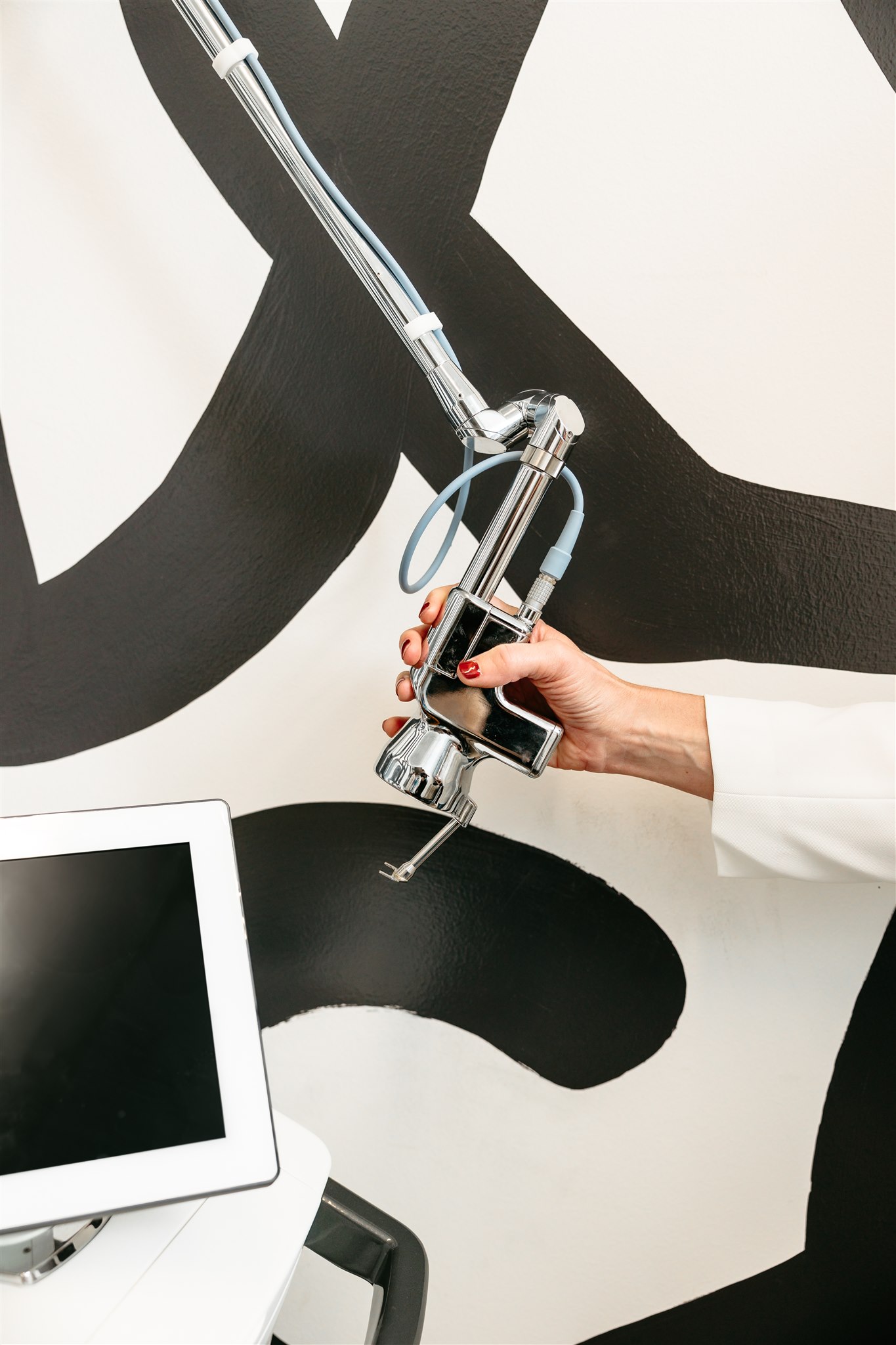
Aftercare is not a supplement to advanced resurfacing — it is part of the treatment. Every recovery protocol at Youthful Magnolia is specific to the patient and the treatment performed.
Section 06
Amy Robbins' expert
perspective on recovery.
Recovery is part of the treatment — not an afterthought, not a side effect, and not a detail to minimize in the consultation room. When I talk to patients about HALO TRIBRID, the downtime conversation gets the same depth and honesty as the outcome conversation. They are equally important, and I would not do one without the other.
What I find, consistently, is that patients who walk into the experience prepared have a fundamentally different recovery than those who were given a generic "3 to 5 days" and nothing else. Prepared patients know what to expect at each phase. They have their aftercare products ready. They have cleared the right window in their calendar. They are not panicked when the skin is textured on day 3, because they know that is part of the arc. They trust the process because they were given the information to trust it.
The patients who struggle most are those who compared their recovery to someone else's, did not follow the aftercare closely, or chose a treatment timing that did not allow for adequate recovery. Those are all addressable problems — they happen before the appointment, not during treatment. And that is why the consultation is where recovery planning actually begins.
I want every patient who comes to Youthful Magnolia for resurfacing to feel confident in their decision before they begin — not because I minimized the recovery, but because I explained it thoroughly and helped them plan for it realistically.
"The right resurfacing treatment is not just the one that can create the best outcome on paper. It's the one that matches the patient's goals, their skin, and their ability to recover well and comfortably."
Amy Robbins
MSNA · APRN · CRNA · FNP-BC · Founder, Youthful Magnolia
Section 07
How to decide if the recovery
fits your schedule.
Recovery planning is practical planning. Here is how to think about timing for the most common scenarios.
Work schedule
Patients who work remotely or from home may be able to return to low-demand work activities within 2 to 3 days, depending on treatment intensity. Patients with public-facing, on-camera, or high-social professional situations typically plan 5 to 7 days before returning to those contexts. The key variable is whether visible redness or textured skin during the healing arc would create professional or personal disruption.
Social events
Any social event where you want to look and feel your best — dinners, parties, gatherings with people you have not seen — should ideally be planned at least 7 to 10 days after treatment. For more casual, lower-stakes social situations, some patients are comfortable returning within the 5 to 7 day window. Honest self-assessment about comfort level is the most useful guide.
Travel
Travel during the healing window introduces sun exposure risk, climate variability, and limited access to aftercare products — all of which are best avoided. If travel is planned, wait until at least 10 to 14 days post-treatment and ensure sun protection is a priority throughout. Never plan international or remote travel within the first week after HALO TRIBRID.
Photography and media
On-camera appearances, headshots, brand content, or any photography where skin quality is being recorded should be scheduled well after the healing arc is complete — ideally after the 2 to 4 week mark, when the surface has settled and the early results are beginning to emerge. Planning photography in the first week after treatment is inadvisable.
Weddings and major events
For milestone events where appearance is a priority, HALO TRIBRID should ideally be scheduled 6 to 8 weeks before the event — enough time for full visible recovery and the beginning of visible result emergence. Scheduling HALO TRIBRID within 2 weeks of a significant event is almost never advisable.
Section 08
What patients often ask
about redness, swelling, and healing.
How long does redness last?
Initial visible redness typically begins improving meaningfully within the first several days. Sciton's guidelines note that mild redness may subside in approximately 3 to 4 days. Some degree of residual pinkness or sensitivity may persist beyond that, particularly at more intensive settings. Full skin color normalization develops over the following weeks as healing progresses.
Is swelling normal?
Yes. Mild to moderate swelling is a normal part of the skin's inflammatory healing response after resurfacing. It is typically most pronounced in the first 24 to 48 hours and begins resolving over the following days. Swelling around the eyes may be more visible and tends to improve as the skin's acute response subsides.
When will skin look rough or flaky?
Texture change and surface shedding typically occur in the middle phase of recovery — around days 3 through 5, at standard intensities. This is the outer skin layer responding to treatment and beginning to shed. Resisting the urge to physically exfoliate or accelerate this process is important. Gentle moisturization supports it without interfering.
When can I wear makeup?
Makeup timing after resurfacing depends on the specific treatment performed and the individual healing arc — it is not a fixed answer that applies universally. Your provider will give you specific guidance for your treatment plan. Attempting to apply makeup before the healing surface is ready can introduce irritants and disrupt the recovery.
Why is my recovery different from someone else's?
Because the treatments are different, the skin is different, and the aftercare is different. Comparing your recovery to someone who received different parameters, has different skin, or managed their aftercare differently is not a useful benchmark. The only useful comparison is between your experience and what your provider told you to expect — based on your specific plan.
How long until I see real results?
The visible healing phase resolves within the first week to ten days in most cases. But the actual results — the improvements in texture, tone, pore quality, and skin renewal — develop over weeks to months as collagen remodeling progresses. Most patients begin to appreciate the full extent of their results at the 4 to 8 week mark, with continued improvement beyond that.
Amy Robbins · Founder, Youthful Magnolia
"Honest expectations are not a barrier to treatment — they are the foundation of a good experience. Every patient who leaves a consultation at Youthful Magnolia knows exactly what recovery may involve, what aftercare is required, and what timeline to expect. That knowledge makes the experience measurably better."
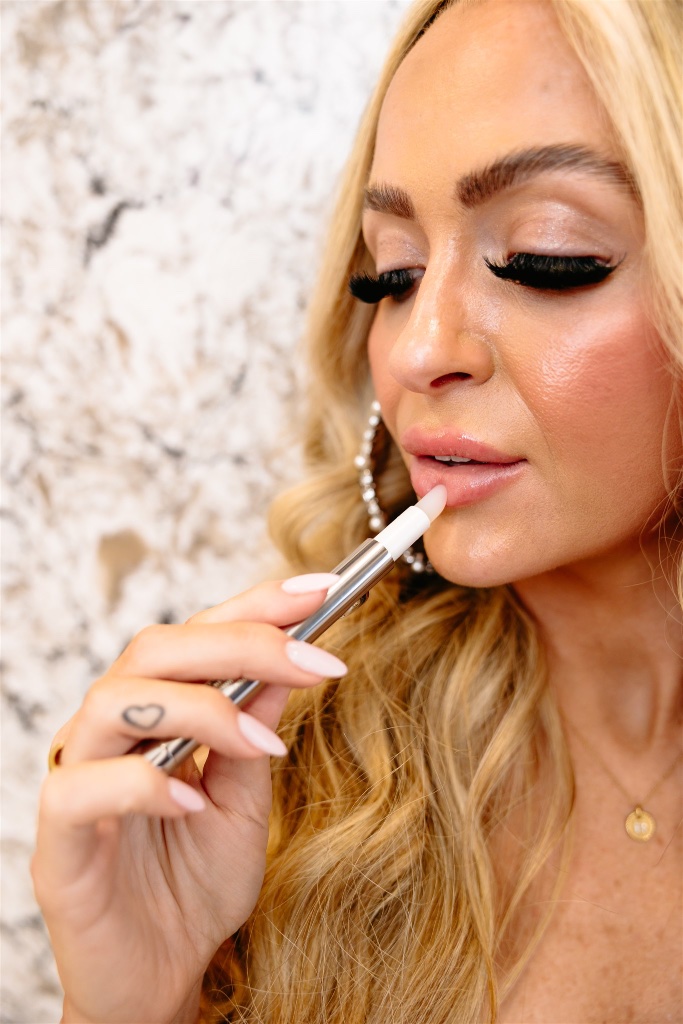
The result you want starts with the recovery plan you commit to. Both matter — and both deserve the same thoughtfulness.
Section 09
What a consultation at Youthful Magnolia
may include.
Direct skin evaluation
Amy evaluates your skin directly to understand what treatment parameters are appropriate, what the healing arc will realistically look like for your skin type, and what the recovery window will involve.
Goal and concern discussion
A clear conversation about what you want to address — and how that maps to the resurfacing approach that makes the most clinical sense for your specific skin.
Honest downtime assessment
A direct, practical conversation about your schedule, your social and professional obligations, and whether the recovery window you have available is genuinely appropriate for the treatment being considered.
Treatment intensity review
Explaining what parameters are being considered for your treatment and how those parameters will influence both the expected outcome and the expected recovery experience.
Aftercare protocol walkthrough
What products, practices, and timelines your aftercare will involve — so that nothing about recovery is left to assumption on treatment day.
Treatment fit evaluation
Whether HALO TRIBRID is the right resurfacing approach for your goals and recovery tolerance — or whether MOXI, HALO, ProFractional, or another option may be a smarter fit given your specific situation.
Section 10
Why Fort Worth patients choose
Youthful Magnolia for advanced resurfacing.
Amy Robbins leads every consultation and treatment — personally, every time
Deep Sciton platform expertise: HALO, MOXI, BBL, ProFractional, and HALO TRIBRID
Recovery planning is built into every consultation — never an afterthought
Honest, provider-specific aftercare protocols for every patient's treatment plan
Long-view skin strategy — resurfacing as part of a sustained skin-health investment
Regenerative philosophy that may complement resurfacing with systemic skin support
Premium boutique experience in Fort Worth's most thoughtful aesthetics practice
Natural-looking results supported by careful calibration, not aggressive over-treatment
Common Questions
HALO TRIBRID downtime and recovery —
answered honestly.
How much downtime does HALO TRIBRID have?
What is HALO TRIBRID recovery like?
How long does redness last after HALO TRIBRID?
Is swelling normal after HALO TRIBRID?
When can I go back to work after HALO TRIBRID?
How long does HALO TRIBRID healing take?
What does the first week after HALO TRIBRID look like?
How do I prepare for HALO TRIBRID recovery?
How do I know if the downtime fits my schedule?
Where can I get HALO TRIBRID in Fort Worth?
Related Services
Laser Treatments
Explore the full Sciton-based laser menu at Youthful Magnolia.
Sciton TriBrid
The HALO TRIBRID triple-wavelength resurfacing platform.
HALO Laser
Hybrid fractional resurfacing for texture, tone, and skin renewal.
MOXI
Non-ablative tone and early texture support — lower downtime.
ProFractional
Ablative fractional erbium for deeper correction and scar treatment.
Facials & Skin
Non-laser skin treatments to complement or prepare for resurfacing.
Book a Consultation
Begin with a personalized evaluation and recovery planning discussion.
Your Provider
Amy
Robbins
MSNA · APRN · CRNA · FNP-BC
Book a Consultation"Every HALO TRIBRID conversation at Youthful Magnolia includes an honest recovery discussion. I want patients to walk into treatment knowing exactly what to expect — because that knowledge makes the experience meaningfully better."
— Amy Robbins, Founder · Youthful Magnolia
Youthful Magnolia · Fort Worth, TX
Ready to find out if HALO TRIBRID
fits your skin and your schedule?
If you're interested in advanced resurfacing but want a realistic conversation about downtime, healing, and whether the treatment fits your life, our team can help you plan intelligently.